

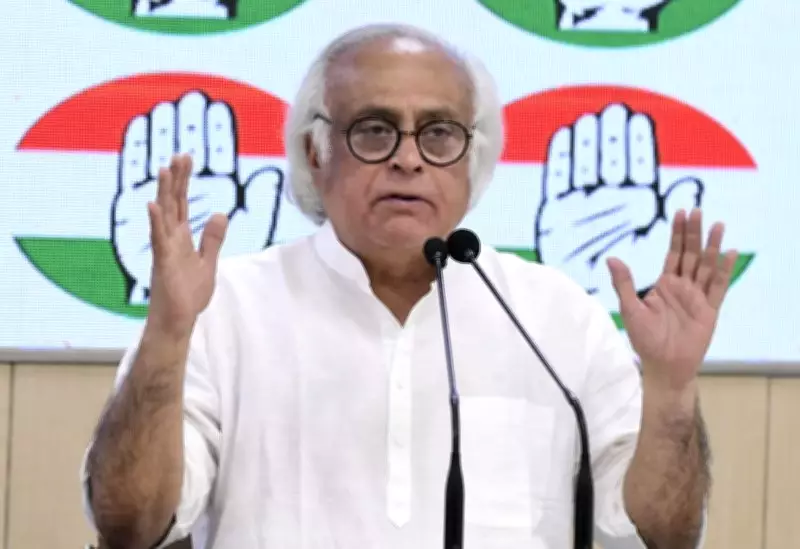
The ambitious Great Nicobar Island development project has come under renewed scrutiny, with senior Congress leader Jairam Ramesh raising critical questions about its ecological impact, tribal consent, and economic feasibility. In a series of statements, Ramesh highlighted several unresolved issues that cast doubt on the project's viability.
Ecological Concerns
Ramesh pointed out that the Great Nicobar Island is home to pristine rainforests, unique biodiversity, and fragile ecosystems. He questioned whether the environmental impact assessment adequately addressed the potential damage to these natural assets. The island hosts several endangered species, including the Nicobar megapode and the Nicobar long-tailed macaque, whose habitats could be severely affected.
Impact on Indigenous Tribes
Another major concern is the lack of free, prior, and informed consent from the indigenous Shompen and Nicobarese tribes. Ramesh emphasized that any development on their ancestral lands must respect their rights and traditions. He noted that the tribal communities have not been adequately consulted, raising legal and ethical questions under the Forest Rights Act and international conventions.

Feasibility and Costs
The project, which includes a transshipment port, an international airport, and a township, is estimated to cost over Rs 30,000 crore. Ramesh questioned the economic rationale, given the island's remote location and vulnerability to natural disasters such as tsunamis and cyclones. He also pointed out that the strategic benefits cited by the government need to be weighed against the long-term environmental costs.
Legal and Policy Framework
Ramesh called for a comprehensive review of the project in light of existing environmental laws and Supreme Court judgments. He argued that the project's clearance process may have bypassed critical safeguards, including the requirement for a public hearing and a detailed biodiversity assessment.
The former Union minister urged the government to release all relevant documents and studies for public scrutiny. He stressed that transparency and inclusive dialogue are essential before proceeding with such a transformative project. The Great Nicobar project, he concluded, must not become a case of development at the cost of ecology and indigenous rights.






