

Decades of Grievances Fuel Violent Unrest in Pakistan's Balochistan Region
Violent unrest has erupted in Pakistan's southwestern province of Balochistan, driven by long-running grievances that have simmered for decades. The region, rich in natural resources, has been a hotspot for conflict due to political marginalization, economic exploitation, and alleged human rights abuses by state authorities.
Root Causes of the Unrest
The core issues fueling the violence include:
- Political Marginalization: Balochistan's population has long felt excluded from mainstream Pakistani politics, with limited representation in federal decision-making processes.
- Economic Exploitation: Despite being resource-rich, particularly in minerals and natural gas, the province remains one of Pakistan's poorest, with locals accusing the central government of extracting wealth without adequate local development.
- Human Rights Concerns: Reports of enforced disappearances, extrajudicial killings, and military crackdowns have exacerbated tensions, leading to widespread protests and armed resistance.
Recent Escalation of Violence
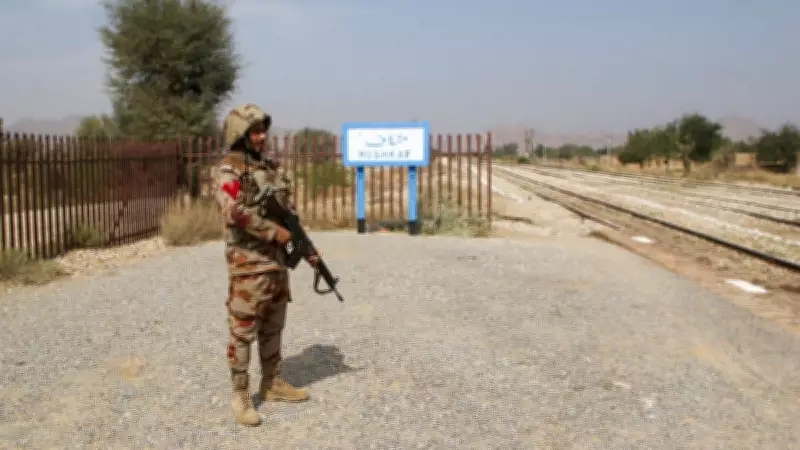
In recent months, clashes between separatist groups and Pakistani security forces have intensified, resulting in casualties on both sides. The unrest has disrupted daily life, with protests and strikes becoming common in major cities like Quetta. The situation has drawn international attention, with human rights organizations calling for investigations into alleged abuses.

The volatile environment in Balochistan poses significant challenges to Pakistan's stability, as the government struggles to address these deep-seated issues while maintaining security.
Broader Implications
The unrest in Balochistan is not an isolated incident but part of a broader pattern of regional discontent in Pakistan. It highlights the complexities of governance in a diverse nation, where ethnic and provincial identities often clash with central authority. The ongoing violence could have implications for regional security, given Balochistan's strategic location bordering Iran and Afghanistan.
Efforts to resolve the crisis have included dialogue initiatives and development projects, but many Baloch activists remain skeptical, demanding concrete actions to address their grievances. As the unrest continues, the need for a sustainable political solution becomes increasingly urgent to prevent further escalation and loss of life.






