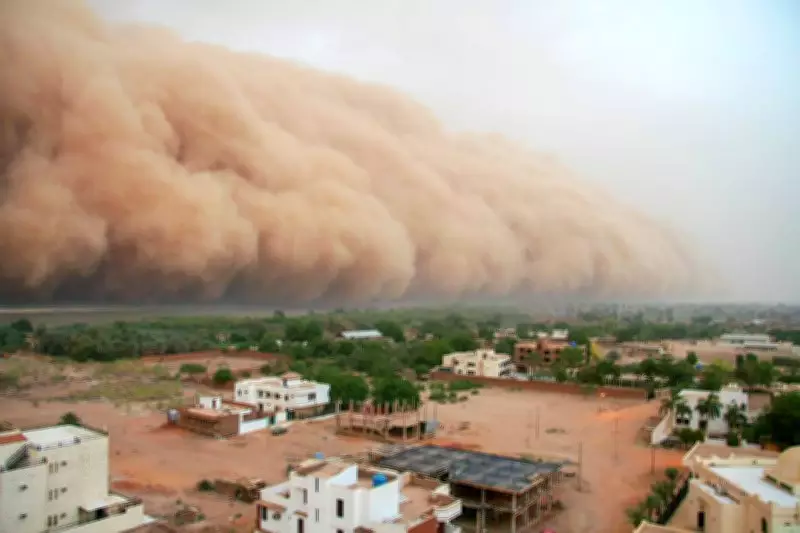
Understanding Haboobs: The Science and Dangers of Massive Dust Storms
A haboob is an intense dust storm characterized by powerful winds that carry massive amounts of dust and sand, often creating a dramatic, wall-like appearance as it approaches. These phenomena are regularly observed in arid and semi-arid regions across the globe, posing significant risks to both human health and infrastructure.
The Science Behind Haboob Formation
Haboobs typically form when strong downdrafts from thunderstorms or other weather systems hit the ground, lifting loose soil and dust into the air. The resulting wall of dust can reach heights of several thousand feet and travel at speeds exceeding 60 miles per hour. Key factors contributing to haboob development include:
- Dry Conditions: Arid landscapes with minimal vegetation provide ample loose material for winds to pick up.
- Strong Wind Gusts: Often associated with thunderstorms or cold fronts, these gusts initiate the dust-lifting process.
- Topography: Flat or gently sloping terrain in regions like deserts facilitates the widespread movement of dust clouds.
Global Occurrence and Regional Hotspots
While haboobs can occur in various dry areas worldwide, they are particularly common in specific regions:

- Sahara Desert and North Africa: Including countries like Sudan, where haboobs are a frequent meteorological event.
- Arabian Peninsula: Nations such as Saudi Arabia and the UAE experience these dust storms regularly.
- Australia: Especially in the outback, where they are sometimes called "dust storms."
- Parts of North America: Notably in the southwestern United States, including Arizona and Texas.
In Sudan, the capital city of Khartoum is notably affected. Khartoum is situated at the confluence of the White Nile, flowing north from Lake Victoria in Uganda, and the Blue Nile, flowing west from Ethiopia. The city comprises three main areas: Khartoum proper, Khartoum North, and Omdurman, all of which can be impacted by approaching haboobs.
Dangers and Impacts of Haboobs
Haboobs present multiple hazards that require awareness and preparedness:
- Health Risks: The fine dust particles can exacerbate respiratory conditions like asthma, cause eye irritation, and lead to cardiovascular issues if inhaled over prolonged periods.
- Reduced Visibility: Dense dust clouds can lower visibility to near zero, increasing the risk of traffic accidents and disrupting aviation and transportation networks.
- Infrastructure Damage: Strong winds and abrasive dust can damage buildings, vehicles, and agricultural lands, while also clogging machinery and electronic systems.
- Environmental Effects: Haboobs contribute to soil erosion, reduce air quality, and can transport pollutants over long distances, affecting ecosystems far from their origin.
Understanding the science behind haboobs is crucial for developing effective warning systems and mitigation strategies in vulnerable regions. As climate change potentially alters weather patterns, monitoring these dust storms becomes increasingly important for public safety and environmental management.