Haryana Takes Action to Save Its Vanishing Native Trees
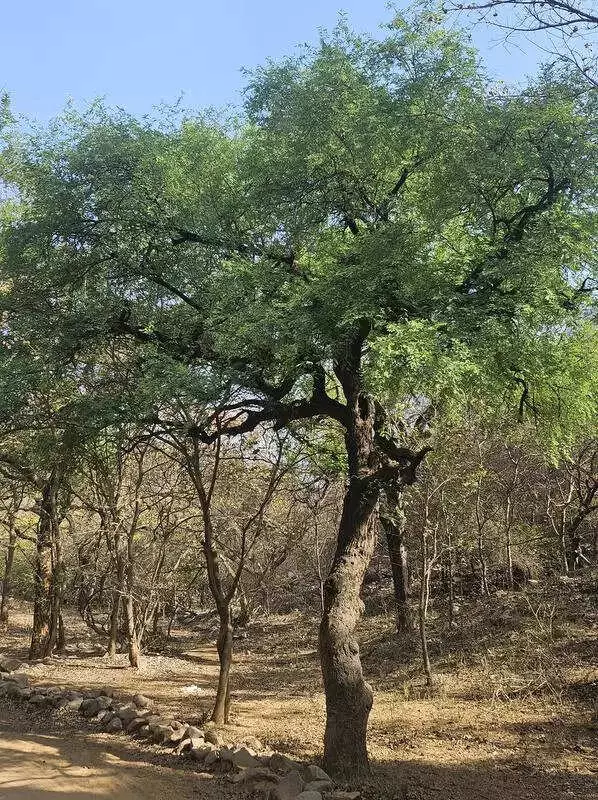
Native trees that once defined the farm boundaries in southern Haryana are disappearing at an alarming rate. Species like khejri, jal, kair, and roheda are being pushed out by modern farming practices, land reshaping for irrigation, and continuous fuelwood cutting.
Preservation Plots: A New Conservation Strategy
The Haryana forest and wildlife department has now launched a fresh initiative to protect these indigenous trees. They have decided to establish "preservation plots" in various villages across the state. This effort is part of the Swadeshi Vriksh Bachao Abhiyan, which translates to the "Save Indigenous Trees Campaign."
Officials describe this as a crucial attempt to "save what still remains" rather than focusing solely on planting new trees. The first set of preservation plots was announced recently.

First Sites Selected for Protection
The initial preservation plots include specific locations dedicated to different native species:
- A 2-hectare site at Aulant village for jal trees (Salvadora oleoides)
- A 2-hectare plot at Budoli for kair trees (Capparis decidua)
- A 5-hectare plot at Nangal village in Rewari for inderaukh or hindhau trees (Terminalia), where 96 trees have already been identified
These plots will be developed in partnership with local gram panchayats in villages where these indigenous species still exist in scattered pockets. The primary goals are to prevent further cutting, allow natural regeneration, and create small "native tree sanctuaries" in the region's semi-arid landscape.
Why These Trees Matter
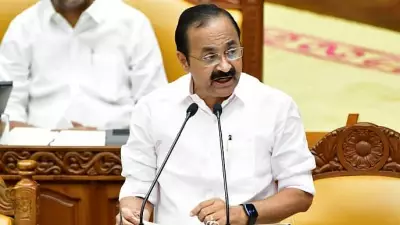
Forest officials emphasize the importance of these slow-growing species. "Once lost, they do not return easily," one official stated. Haryana Forest Minister Rao Narbir Singh explained that while agricultural expansion brought prosperity to some areas, it also altered the ecological character of districts along the Rajasthan border.
He pointed out that arid zones in south Haryana cannot naturally support high water-demand vegetation common in north Haryana. Indigenous trees are better suited to survive drought cycles. Singh specifically mentioned the khejri tree, widely regarded as a backbone species of desert ecology.
The khejri tree stabilizes soil, supports moisture retention, and improves long-term farm resilience. The minister cited historical instances of khejri felling across the region as a warning of how quickly native tree cover can collapse.
Addressing Haryana's Green Cover Deficit
Minister Singh also highlighted Haryana's low green cover. While the state's forest policy targets 10% green cover, it has remained around 7% for years. Ecological experts recommend at least one-third green cover for proper environmental balance.
Haryana has previously run plantation-linked schemes like Pran Vayu Devta Yojana, Van Mitra Yojana, and Oxy Van Yojana. However, officials say this new move represents a significant shift in focus toward conserving native trees in their original habitats rather than just planting new ones.
The preservation plot initiative marks a strategic turn in Haryana's conservation efforts, prioritizing the protection of existing ecological heritage alongside traditional plantation activities.