

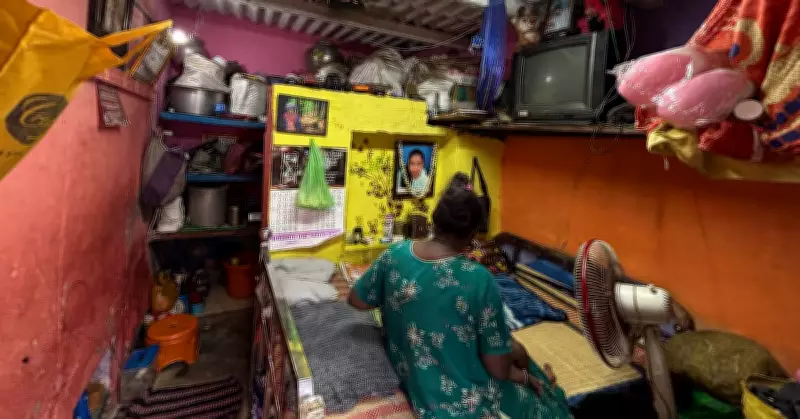
Vulnerable residents across Karnataka are bearing the brunt of an intense heatwave, with limited access to water, shelter, and basic services, exposing significant gaps in state planning and preparedness. As temperatures soar, the poorest communities are suffering the most, highlighting deep-rooted inequalities in urban and rural infrastructure.
Extreme Heat Disparities
Houses with asbestos and corrugated tin roofs record daytime temperatures about 6 degrees Celsius higher and night-time temperatures 2 to 3 degrees Celsius higher than ambient levels. In Bengaluru, families living in such dwellings endure sweltering conditions without adequate cooling or ventilation. These structures, common in low-income settlements, trap heat and offer little respite even after sunset.
Limited Access to Water and Shelter
Many neighborhoods lack reliable water supply, forcing residents to queue for hours at public taps or spend a significant portion of their income on private water tankers. Public shelters and cooling centers are scarce, and those that exist are often under-resourced or poorly advertised. The state government's heat action plan, though in place, has been criticized for slow implementation and lack of targeted outreach to vulnerable groups.

Health and Livelihood Impacts
Health workers report a surge in heat-related illnesses, including dehydration, heatstroke, and exacerbation of chronic conditions. Outdoor laborers, street vendors, and construction workers face impossible choices between earning a livelihood and protecting their health. Schools in some districts have adjusted timings, but many children still travel long distances under the scorching sun.
Call for Urgent Action
Activists and urban planners urge the state to prioritize heat-resilient infrastructure, such as reflective roofs, tree cover, and community cooling spaces. They also demand better data collection on heat-related morbidity and mortality to inform policy. Without swift action, the gap between the haves and have-nots will only widen as climate change intensifies extreme weather events.






