Himachal Pradesh Advances Geothermal Energy Initiative for Sustainable Power
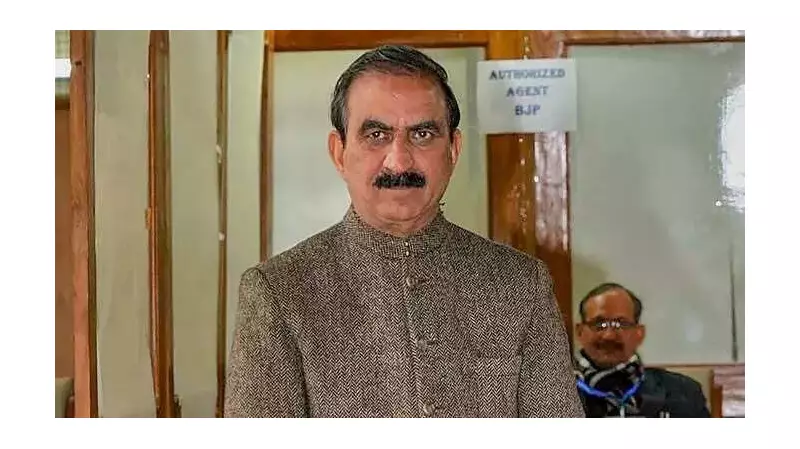
The state government of Himachal Pradesh is actively pursuing the development of geothermal energy resources as a core component of its long-term strategy to combat climate change and secure sustainable energy independence. Chief Minister Sukhvinder Singh Sukhu made this announcement on Thursday, emphasizing the state's commitment to environmental stewardship and energy resilience.
Significant Geothermal Potential Identified in Key Regions
Himachal Pradesh boasts considerable geothermal potential in several strategic locations, including Manikaran and Kasol in the Kullu district, as well as Tattapani in the Mandi district. These areas exhibit surface temperatures ranging from 57°C to 97°C, making them highly suitable for electricity generation and tourism-related developments centered around natural hot springs.
Chief Minister Sukhu highlighted that geothermal energy could serve as a reliable and eco-friendly power source, particularly in the face of evolving climatic conditions. He made these remarks while presiding over a review meeting with senior officials, where he reaffirmed the state's ambitious objective of transforming into a 'Green Energy State' by the year 2026.

Integrated Renewable Energy Approach to Meet 90% Power Needs
The state aims to fulfill more than 90% of its energy requirements through renewable sources, building on its existing achievements in hydropower generation. Himachal Pradesh is now adopting a comprehensive energy strategy that integrates hydro, solar, and geothermal power to minimize dependence on fossil fuels.
This integrated approach is designed to ensure a stable and sustainable energy mix, reducing the environmental impact while enhancing energy security.
Geothermal Energy to Empower Remote and Cold Regions
Small-scale geothermal plants are envisioned to supply electricity to isolated villages in districts such as Kullu, Mandi, and Lahaul-Spiti. Additionally, these plants could support cold towns like Shimla, Manali, and Keylong by providing a dependable base-load power supply.
Unlike solar or wind energy, which can be intermittent, geothermal energy offers continuous, round-the-clock availability, making it an ideal solution for mountainous regions where consistent power is crucial.
Broader Benefits: Environmental, Economic, and Social Impacts
The adoption of geothermal energy is expected to yield multiple advantages:
- Reduction in reliance on wood and fossil fuels, thereby helping to curb deforestation and lower carbon emissions.
- Promotion of eco-tourism through the development of spas and wellness centers around hot springs, creating new revenue streams.
- Generation of local employment opportunities in construction, maintenance, and tourism sectors.
- Benefits for farmers by enabling year-round cultivation in colder areas through geothermal heating.
- Significant reduction in electricity costs for both residential and commercial users, making energy more affordable.
These initiatives reinforce Himachal Pradesh's dedication to sustainable development, aligning with global efforts to address climate change while fostering economic growth and community well-being.