

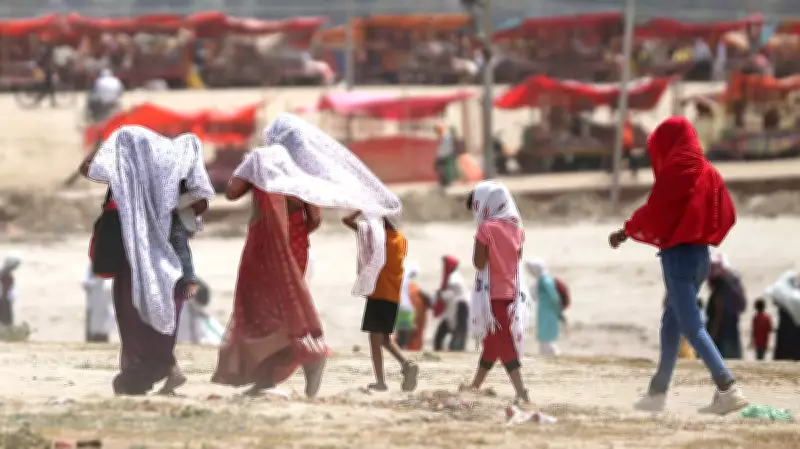
IMD Issues Warning for Heightened Heatwave Activity Across Key Indian Regions
The India Meteorological Department (IMD) has released a concerning seasonal forecast, indicating that several parts of India are likely to experience a greater number of heatwave days than what is typically observed. This prediction specifically targets the East, Central, and Northwest regions of the country, raising alarms for public health, agriculture, and infrastructure.
Regions Under the Scanner for Elevated Heat Risks
According to the IMD's detailed analysis, the areas expected to bear the brunt of this intensified heat include states in East India such as Odisha, Jharkhand, and West Bengal. In Central India, regions like Madhya Pradesh, Chhattisgarh, and parts of Maharashtra are projected to face similar challenges. Northwest India, encompassing Rajasthan, Haryana, Delhi, and Uttar Pradesh, is also highlighted as a zone where heatwave conditions are anticipated to be more frequent and severe.
The forecast suggests that these regions could witness heatwave days exceeding their historical averages, potentially leading to prolonged periods of extreme temperatures. This deviation from normal patterns is attributed to various climatic factors, including prevailing atmospheric conditions and global warming trends.

Implications and Necessary Precautions
The increased frequency of heatwaves poses significant risks to human health, particularly for vulnerable populations such as the elderly, children, and outdoor workers. Heat-related illnesses, including heatstroke and dehydration, are expected to rise, necessitating urgent public awareness campaigns.
- Health authorities are advised to enhance monitoring and response systems to manage potential heat-related emergencies effectively.
- Agricultural sectors in these regions may face challenges due to heat stress on crops, impacting yields and water resources.
- Infrastructure, especially power grids, could be strained under heightened cooling demands, leading to potential outages.
In response to the forecast, the IMD has urged state governments and local administrations to implement heat action plans. These plans typically include setting up cooling centers, issuing public advisories, and ensuring adequate water supply. Proactive measures are crucial to mitigate the adverse effects of the predicted heatwaves and safeguard communities.
Broader Context and Future Outlook
This forecast aligns with broader global observations of increasing extreme weather events linked to climate change. India, with its diverse climatic zones, is particularly susceptible to such shifts, making accurate predictions and timely interventions vital.
The IMD continues to monitor weather patterns closely and will provide updates as the season progresses. Residents in the affected regions are encouraged to stay informed through official channels and adopt precautionary steps, such as staying hydrated, avoiding outdoor activities during peak heat hours, and using protective gear.
As the summer approaches, this forecast serves as a critical reminder of the growing challenges posed by climate variability and the importance of resilience in urban and rural planning.






