

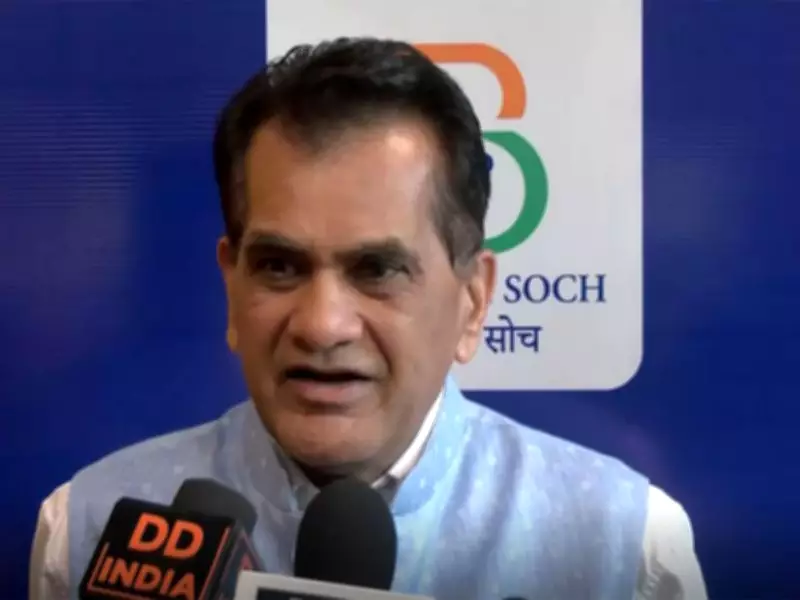
Amitabh Kant, India's G20 Sherpa and former CEO of NITI Aayog, has stressed the urgent need for India to transform from a petro state to an electric state by significantly scaling up its renewable energy capacity to 1500 gigawatts (GW). Speaking at a recent event, Kant highlighted that this transition is crucial for achieving energy security, reducing carbon emissions, and fostering economic growth.
The Vision for an Electric State
Kant outlined a comprehensive roadmap for India's energy transition, emphasizing the importance of solar, wind, and other renewable sources. He noted that India has already made substantial progress, with renewable energy capacity reaching over 170 GW, but a massive scale-up is required to meet the 1500 GW target by 2047. This shift would not only reduce dependence on fossil fuels but also create millions of jobs and attract significant investments.
Key Drivers of the Transition
According to Kant, several factors will drive this transformation:

- Policy Support: Continued government incentives and regulatory frameworks to promote renewable energy adoption.
- Technological Advancements: Innovations in energy storage, grid management, and efficiency to integrate high shares of renewables.
- Private Sector Participation: Encouraging investments from domestic and international players through public-private partnerships.
- Consumer Awareness: Promoting electric vehicles, energy-efficient appliances, and rooftop solar installations among citizens.
Economic and Environmental Benefits
The shift to an electric state is expected to bring multiple benefits:
- Energy Independence: Reducing oil imports, which account for a significant portion of India's trade deficit.
- Job Creation: The renewable energy sector can generate millions of jobs in manufacturing, installation, and maintenance.
- Climate Goals: Helping India achieve its target of net-zero emissions by 2070 and meeting its commitments under the Paris Agreement.
- Cost Savings: Lower electricity costs in the long run due to declining renewable energy tariffs.
Challenges and the Way Forward
Despite the optimism, Kant acknowledged challenges such as land acquisition, grid stability, and financing. He called for innovative solutions like green bonds, carbon markets, and international cooperation to overcome these hurdles. He also emphasized the need for a just transition, ensuring that workers in fossil fuel industries are reskilled and redeployed.
In conclusion, Amitabh Kant's vision for India as an electric state with 1500 GW of renewable energy is ambitious yet achievable. With concerted efforts from all stakeholders, India can lead the global energy transition and secure a sustainable future.






