

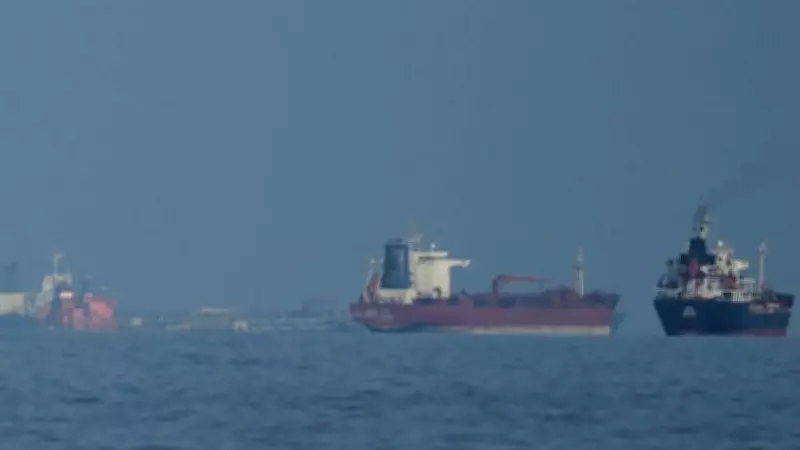
Indian LPG Carrier Green Sanvi Successfully Navigates Hormuz Strait Amid Regional Unrest
In a significant development underscoring India's strategic energy logistics, the seventh Indian liquefied petroleum gas (LPG) carrier, named Green Sanvi, has safely crossed the Strait of Hormuz. This critical maritime passage, located between the Persian Gulf and the Gulf of Oman, is a vital chokepoint for global oil and gas shipments. The vessel was transporting a substantial cargo of over 46,000 metric tons of LPG, a key fuel used for cooking and heating across India.
Navigating Geopolitical Tensions in West Asia
The transit occurred against the backdrop of escalating tensions in West Asia, a region plagued by conflicts and geopolitical rivalries that have periodically threatened maritime security. The Strait of Hormuz, in particular, has been a flashpoint due to its importance for energy exports from countries like Saudi Arabia, Iran, and the United Arab Emirates. Green Sanvi's successful passage highlights the resilience of India's energy supply chains, which are crucial for meeting domestic demand and ensuring economic stability.
This operation is part of a broader pattern where Indian carriers have continued to ply these waters despite regional crises. The Indian government and shipping authorities have implemented enhanced security protocols and coordination with international naval forces to safeguard such voyages. The safe crossing of Green Sanvi not only ensures a steady flow of LPG to Indian consumers but also reinforces India's commitment to maintaining open sea lanes for trade.

Implications for India's Energy Security
The successful transit of Green Sanvi carries significant implications for India's energy security strategy. As one of the world's largest importers of LPG, India relies heavily on shipments from the Middle East, making the Strait of Hormuz a critical artery for its energy imports. Any disruption in this region could lead to supply shortages and price volatility, impacting millions of households and industries.
Key aspects of this development include:
- Enhanced Maritime Coordination: Indian authorities have been working closely with regional partners to monitor and secure shipping routes, ensuring minimal disruption to energy supplies.
- Diversification Efforts: While this transit shows resilience, it also underscores the need for India to diversify its energy sources and invest in alternative routes to reduce dependency on volatile regions.
- Economic Impact: The smooth operation helps stabilize LPG prices in India, supporting both consumers and the broader economy by preventing inflationary pressures.
Looking ahead, experts suggest that India must continue to bolster its maritime capabilities and engage in diplomatic efforts to de-escalate tensions in West Asia. The Green Sanvi incident serves as a reminder of the interconnectedness of global energy markets and the importance of proactive risk management in ensuring uninterrupted supply chains.






