

India's Coasts Face a Plastic Stress Test: A Growing Environmental Crisis
India's picturesque coastlines, stretching from the Arabian Sea to the Bay of Bengal, are currently undergoing a severe plastic stress test, with mounting waste on the shores serving as a stark indicator of escalating global pollution levels. This crisis is not merely an aesthetic issue but a profound environmental challenge that threatens marine ecosystems, local economies, and public health. As plastic debris continues to accumulate, it signals a broader trend of rising pollution worldwide, underscoring the urgent need for immediate and effective intervention.
The Rising Tide of Plastic Waste on Indian Shores
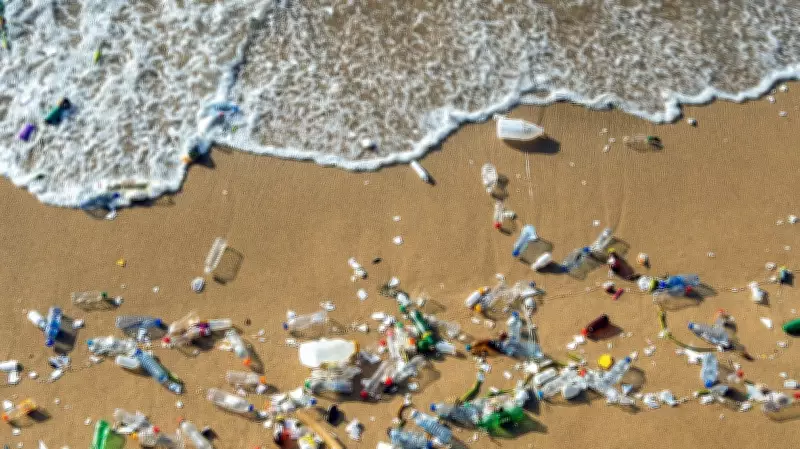
The accumulation of plastic waste along India's coasts has reached alarming proportions, with reports indicating that beaches and coastal areas are increasingly littered with discarded items such as bottles, bags, and microplastics. This phenomenon is part of a larger global pattern, where oceans are becoming repositories for human-generated waste. In India, factors contributing to this crisis include rapid urbanization, inadequate waste management infrastructure, and high consumption of single-use plastics. The visual impact of polluted shores is a clear warning sign, highlighting the failure of current systems to address the root causes of plastic pollution.
Community-Driven Mitigation: A Path Forward
Addressing this plastic pollution crisis requires a shift towards community-driven mitigation strategies. Traditional top-down approaches have often fallen short, making it essential to empower local communities to take ownership of coastal cleanup and waste reduction efforts. Initiatives such as beach clean-up drives, plastic recycling programs, and awareness campaigns led by residents and non-governmental organizations can play a pivotal role. By fostering a sense of responsibility and collective action, communities can help reduce plastic inflow into coastal areas and promote sustainable practices that protect marine environments.

The Broader Implications of Coastal Plastic Pollution
The plastic stress test on India's coasts has far-reaching implications beyond environmental degradation. It affects key sectors such as tourism and fisheries, which rely on clean and healthy coastal ecosystems. Moreover, plastic pollution poses risks to marine life, with animals often ingesting or becoming entangled in debris, leading to injury or death. From a public health perspective, microplastics entering the food chain can have unknown long-term effects on human health. This crisis, therefore, calls for a holistic response that integrates environmental, economic, and social considerations to ensure sustainable coastal management.
Conclusion: A Call to Action for Sustainable Coasts
In conclusion, India's coasts are at a critical juncture, facing a plastic pollution crisis that demands urgent and concerted action. The rising waste on the shores is a clear signal of the global pollution challenge, and mitigating it requires innovative, community-driven solutions. By embracing collaborative efforts, enhancing waste management systems, and promoting eco-friendly alternatives, India can work towards preserving its coastal treasures for future generations. The time to act is now, before the plastic stress test leads to irreversible damage to our precious marine environments.






