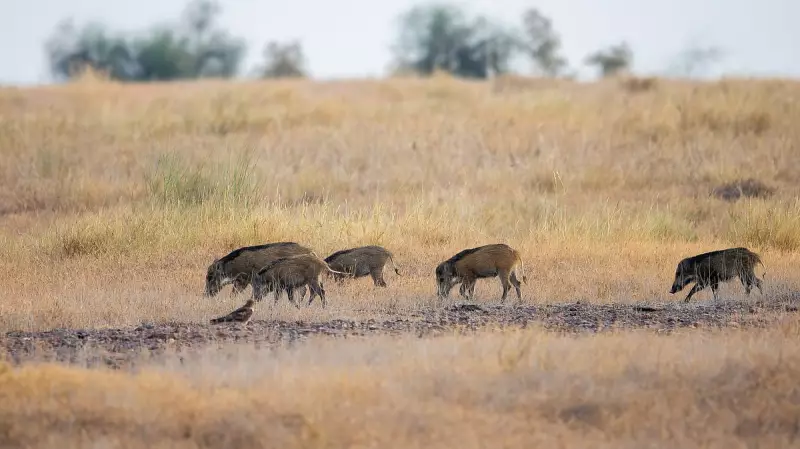
The unique and fragile ecosystem of the Desert National Park (DNP) in Jaisalmer, Rajasthan, is facing a new and formidable challenge: invasive wild pigs. These animals, which are not native to this arid landscape, have established a population and are now posing a significant threat to local wildlife and the park's delicate ecological balance.
The Origin of the Problem: A Canal's Unintended Consequence
The arrival of these pigs is directly linked to the development of the Indira Gandhi Nahar Pariyojana (IGNP), a major canal irrigation project. According to reports, the first sightings of pigs in the park area began nearly two decades ago, following the changes brought about by the canal system. The project altered the local hydrology and vegetation, creating conditions that allowed species from other regions to move into the desert habitat.
A Growing Threat to Native Species
Feral pigs are highly adaptable and destructive omnivores. Their presence in the Desert National Park is causing multiple problems for the native fauna, which includes endangered species like the Great Indian Bustard. The pigs compete with indigenous animals for limited food and water resources. More alarmingly, they are known to prey on eggs and young of ground-nesting birds and reptiles, directly impacting the survival rates of threatened species. Their rooting and foraging behavior also damages the sparse vegetation and disturbs the soil, leading to further habitat degradation.

Management Challenges in a Fragile Desert
Managing this invasive species presents a complex challenge for park authorities. The vast, open terrain of the DNP makes tracking and controlling the pig population difficult. Traditional methods used in other forested areas may not be as effective or appropriate in this sensitive desert environment. Experts emphasize the need for a targeted strategy to assess the exact population size and mitigate the ecological damage before it becomes irreversible.
The situation underscores a broader issue of how large-scale infrastructure projects can have unintended long-term consequences on biodiversity. The case of the invasive pigs in Jaisalmer's premier desert park highlights the critical need for ongoing ecological monitoring and adaptive wildlife management plans to protect India's unique natural heritage from such emerging threats.