Iran Asserts Uninterrupted Surveillance Over Strategic Strait of Hormuz
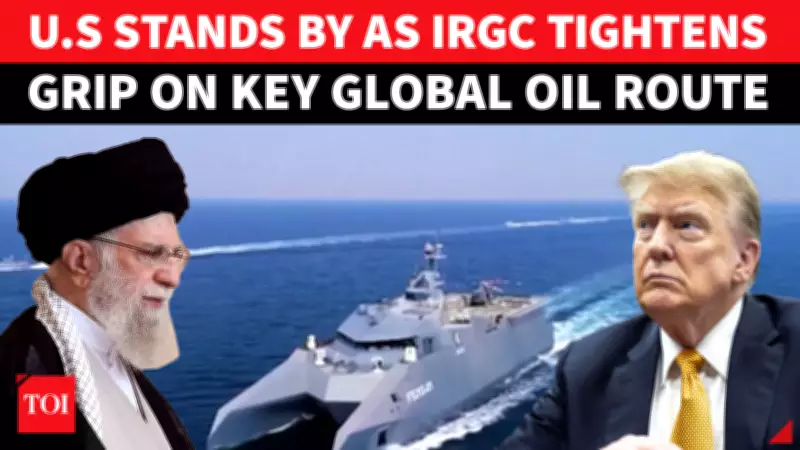
In a bold declaration, the commander of the Islamic Revolution Guards Corps (IRGC) Navy has announced that Iran maintains comprehensive 24-hour surveillance across the Strait of Hormuz, a critical global oil transit route. Rear Admiral Alireza Tangsiri made these remarks during extensive naval exercises, emphasizing Tehran's capability to monitor surface, aerial, and sub-surface domains in the region.
Naval Drills Showcase Advanced Military Capabilities
The ongoing naval drills, which have garnered significant attention, feature the deployment of new missile systems, advanced drones, and sophisticated electronic warfare tactics. Rear Admiral Tangsiri described Iranian islands in the Persian Gulf as "impregnable fortresses" that safeguard the vital waterway, underscoring Iran's defensive posture. These exercises are seen as a demonstration of Iran's military readiness and technological advancements in maritime security.
Escalating Tensions with U.S. Military Presence
The timing of these drills is particularly notable, as they coincide with increased U.S. military deployments near Iran. American warships have been patrolling the area, heightening regional tensions amid ongoing disputes over nuclear programs and geopolitical rivalries. Tehran has issued stern warnings, stating that any potential attack would provoke a massive and decisive regional response, further fueling concerns about stability in the Middle East.

Broader Implications for Global Security
The Strait of Hormuz is a linchpin for international oil shipments, with approximately one-fifth of the world's petroleum passing through it. Iran's claims of full surveillance and military drills in this area raise significant questions about:
- Maritime Security: The ability to ensure safe passage for commercial vessels amidst heightened military activities.
- Diplomatic Relations: The impact on ongoing negotiations and diplomatic efforts between Iran and global powers.
- Regional Stability: Potential ripple effects on neighboring countries and international trade routes.
As both Iran and the United States bolster their military postures, the situation remains volatile, with analysts closely monitoring developments for signs of escalation or de-escalation. The IRGC's assertions highlight Tehran's commitment to asserting control over strategic waterways, even as external pressures mount.