

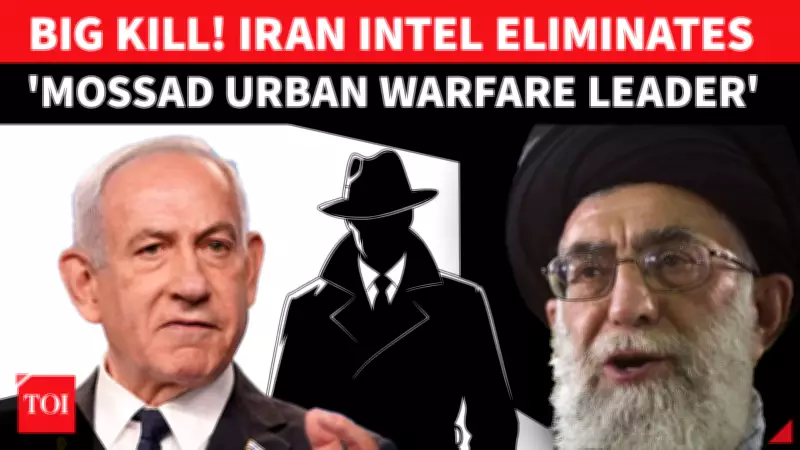
Iranian Intelligence Claims Neutralization of Alleged Israeli Spy
Iranian intelligence forces have announced the killing of a suspected Mossad operative during recent clashes, as part of an intensified internal security operation. The individual, identified as Sadeq Ashtari, was reportedly neutralized on February 7, according to state media reports from Tehran.
Details of the Alleged Espionage Operation
Iranian authorities claim that Ashtari received specialized training in urban warfare from Israeli intelligence officers operating in Iraq's Kurdistan region. State media further alleges his involvement in multiple attacks within Iran, including a notable strike on a police station in Tehran. This incident is framed within a broader narrative of Iranian efforts to dismantle what it describes as an extensive Israeli espionage network.
Context of Regional and Internal Tensions
The reported killing occurs against a backdrop of heightened regional instability. Tehran has been conducting a sweeping crackdown, resulting in the arrest of hundreds of individuals and the seizure of weapons allegedly linked to espionage activities. This internal security push follows the June conflict with Israel and escalating diplomatic strains with the United States, contributing to a volatile security environment in the Middle East.

In response to perceived threats, Iranian security apparatuses have significantly ramped up operations targeting suspected foreign agents. The government asserts that these measures are necessary to protect national sovereignty and counter external interference. The crackdown includes widespread surveillance, arrests, and military actions aimed at neutralizing alleged spy rings operating within the country.
Implications for Regional StabilityThe escalation of Iran's internal security operations and its allegations against Israel risk further inflaming regional tensions. Analysts note that such incidents could exacerbate existing conflicts and complicate diplomatic efforts. The situation remains fluid, with potential repercussions for international relations and security dynamics across the Middle East.






