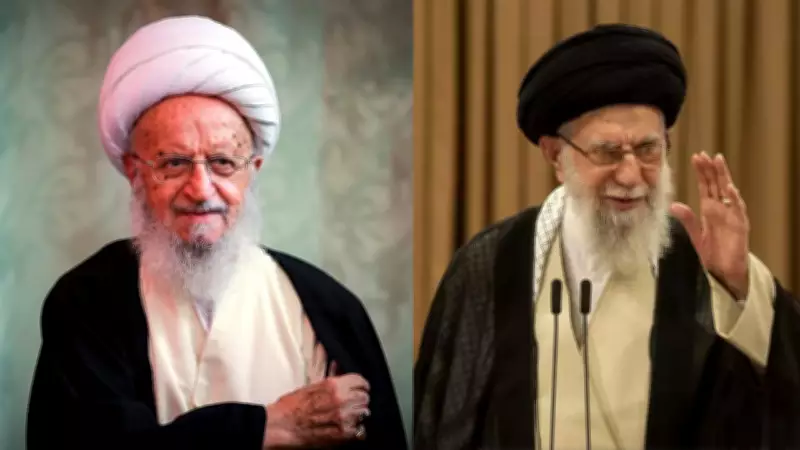
Iran's Senior Clerics Demand Global Jihad to Avenge Khamenei's Death
In a dramatic escalation of rhetoric following the death of Supreme Leader Ayatollah Ali Khamenei, two of Iran's most prominent Shiite clerics have called on Muslims across the globe to seek vengeance. The clerics issued religious decrees urging jihad against the United States and Israel, whom they blame for Khamenei's killing in recent joint airstrikes.
Fatwas Issued by Grand Ayatollahs
According to reports from Iran's Tasnim News Agency, cited by CNN, Grand Ayatollah Makarem Shirazi, aged 99, has issued an order compelling Muslims to wage jihad. He declared that avenging Khamenei is a "religious duty of all Muslims in the world to eradicate the evil of these criminals from the world." Simultaneously, another senior cleric, Ayatollah Nouri Hamedani, issued a fatwa stating it is obligatory for all Muslims to "avenge the blood" of the slain supreme leader.
Background of Escalating Tensions
These statements emerge amidst heightened regional instability triggered by US-Israeli airstrikes in Iran, which resulted in the deaths of Khamenei and several high-ranking military commanders. In response, Tehran has launched retaliatory strikes, targeting locations such as US military bases across the Middle East under an operation dubbed 'Truthful Promise 4'. Reports indicate missile strikes on a US navy headquarters in Bahrain and explosions heard in Abu Dhabi and Doha, though details remain fluid.

Global powers and Gulf states have appealed for restraint to prevent further escalation, but the situation remains volatile. The fatwas issued by these clerics carry significant religious weight among followers, though their practical impact depends on responses from Iranian state institutions and allied groups.
Interim Leadership and National Mourning
In the wake of Khamenei's death, Iran has appointed Ayatollah Alireza Arafi as the interim Supreme Leader and declared a period of national mourning. This transition occurs as the country grapples with the fallout from the attacks and the inflammatory calls for retribution.
The developments underscore the deepening crisis in the Middle East, with potential implications for international security and diplomacy. As events unfold, the world watches closely to see how these religious decrees might influence actions on the ground and broader geopolitical dynamics.