

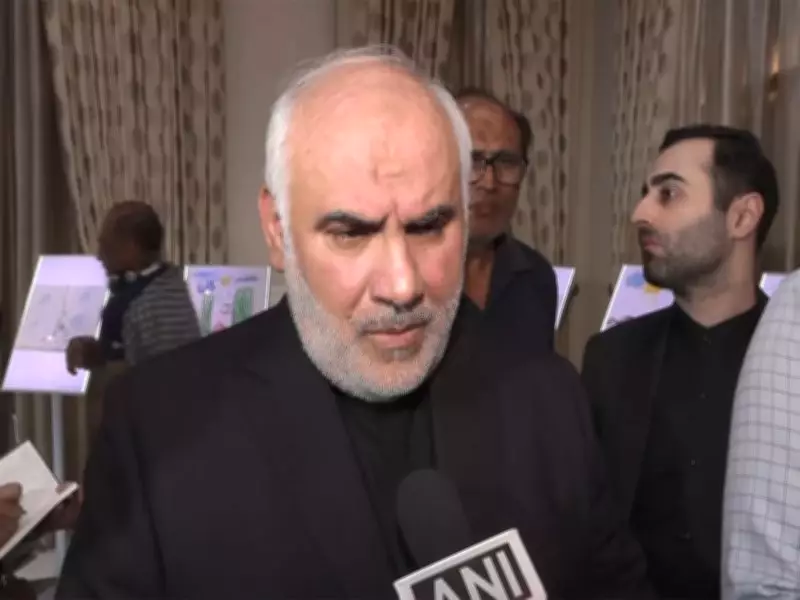
Iran's UN Envoy Issues Stark Warning on Fuel Prices and Conflict Fallout
In a sobering address, Iran's ambassador to the United Nations has raised alarms about the cascading effects of regional conflicts, predicting an imminent spike in global fuel prices. The envoy emphasized that ongoing hostilities are not isolated incidents but have far-reaching consequences that disturb economic and social stability worldwide.
Conflicts as Catalysts for Global Disruption
The Iranian representative detailed how armed confrontations in volatile regions are severely disrupting supply chains and trade routes critical for energy exports. This instability directly threatens the steady flow of oil and gas, creating bottlenecks that could lead to shortages and price volatility in international markets. The envoy underscored that these conflicts are not merely local issues but have the potential to trigger a domino effect, impacting everything from transportation costs to household budgets globally.
Implications for the Global Economy
With fuel being a cornerstone of modern economies, any significant price increase could have profound implications. The warning highlights several key areas of concern:

- Increased inflation as higher transportation and production costs are passed on to consumers.
- Strain on developing nations that rely heavily on imported energy, potentially exacerbating poverty and social unrest.
- Disruption to industries such as aviation, shipping, and manufacturing, which are heavily dependent on stable fuel supplies.
The envoy called for urgent diplomatic efforts to de-escalate tensions, arguing that peace is not just a moral imperative but an economic necessity to prevent further market turmoil.
A Call for International Cooperation
In his remarks, the Iranian diplomat urged the international community to recognize the interconnected nature of global security and economic stability. He proposed that nations work collaboratively through forums like the United Nations to address the root causes of conflicts and establish mechanisms to safeguard energy supplies during crises. The message was clear: without concerted action, the world faces a period of heightened uncertainty and economic strain driven by geopolitical friction and its impact on essential resources like fuel.






