Iranian Fighter Jet Crashes in Hamadan, Pilot Killed Amid Regional Tensions
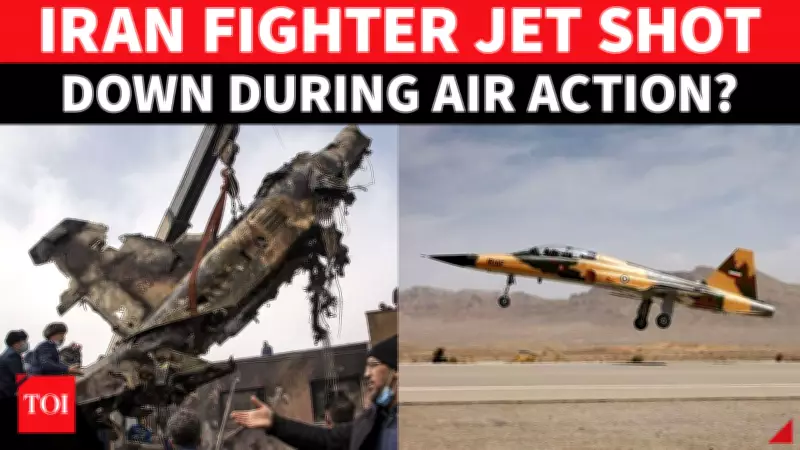
An Iranian fighter jet crashed during a late-night training mission in the western Hamadan province, resulting in the tragic death of one of the two pilots on board, according to reports from Iranian state media. The other pilot survived the incident, and authorities have promptly launched a comprehensive investigation to determine the exact cause of the crash.
Details of the Incident and Investigation
The crash occurred in Hamadan, a region known for its military significance, during what was described as a routine training exercise. Emergency response teams were quickly dispatched to the site, where they recovered the wreckage and provided medical assistance to the surviving pilot. Iranian officials have emphasized that the investigation will focus on technical failures, human error, or potential external factors, though no immediate conclusions have been drawn.
Context of Heightened Regional Worries
This incident comes at a time of escalating tensions in the Middle East, with fears of potential conflict between Tehran and the United States. Recent developments have included:

- Iran's deployment of strike drones and scrambling of fighter jets in response to perceived threats.
- Increased military posturing by both Iran and the U.S., raising concerns about further escalation.
- Diplomatic strains over nuclear agreements and regional security issues.
The crash adds to the volatile atmosphere, as such incidents often prompt scrutiny and speculation regarding military readiness and stability in the region.
Broader Implications and Regional Dynamics
Analysts suggest that this crash could have significant implications for Iran's military operations and regional strategy. Key points include:
- The potential impact on Iran's air force capabilities and training protocols.
- How such incidents might influence diplomatic negotiations and conflict avoidance measures.
- The role of external pressures, including sanctions and geopolitical rivalries, in exacerbating regional instability.
As the investigation unfolds, international observers are closely monitoring the situation for any signs of broader repercussions or shifts in military posture.