

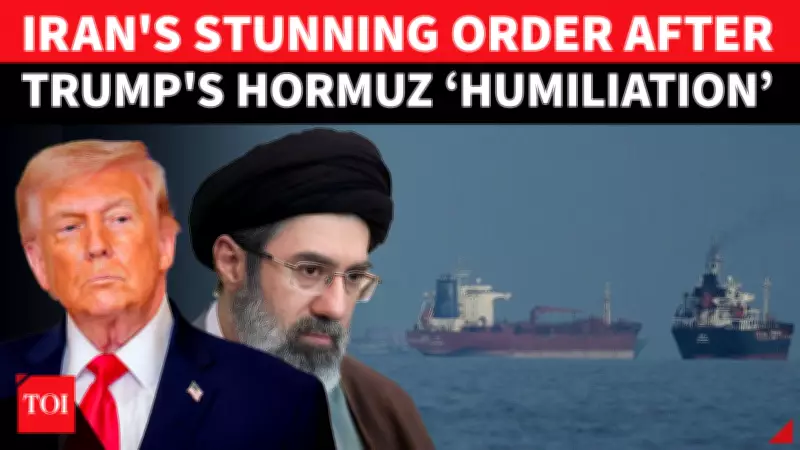
Iran Implements Petrochemical Export Freeze as US Enforces Naval Blockade
In a dramatic escalation of tensions, Iran has reportedly suspended all petrochemical exports to safeguard its domestic supply chain. This decisive move comes in response to the United States military's recent implementation of a naval blockade around Iranian ports, a strategic action designed to cripple Tehran's export revenues and apply maximum pressure.
Prioritizing Domestic Stability Amid External Pressure
According to emerging media reports, the Iranian government's primary objective is to "prioritize domestic supply and prevent shortages of raw materials" for its own industries. This export freeze is a direct countermeasure to the US-led economic and military squeeze, which has intensified significantly in recent weeks.
The situation has been further complicated by military strikes on Iran's critical petrochemical infrastructure. Key production centers located in Asaluyeh and Mahshahr have been targeted in recent operations, reportedly conducted by Israel. These attacks have compromised Iran's industrial output capacity, making the protection of remaining resources even more urgent for national authorities.

US Naval Blockade Aims to Strangle Iranian Economy
The United States military initiated the blockade of shipping traffic entering and exiting Iranian ports earlier this week. This maneuver is a clear component of a broader strategy to severely diminish Iran's export income and force diplomatic concessions from Tehran. By controlling maritime access, the US aims to exert unparalleled economic leverage.
This development has sent shockwaves through global energy markets, with analysts warning of potential ripple effects. Iran is a major player in the petrochemical sector, and a prolonged export halt could disrupt international supply chains, fueling anxieties about a looming global oil crisis. The timing and scale of Iran's response indicate a prepared stance against external coercion, setting the stage for a protracted economic and geopolitical standoff.
The international community is now closely monitoring the situation, as the blockade and export freeze create a volatile flashpoint with implications for regional stability and worldwide energy security. The coming weeks will be critical in determining whether this confrontation de-escalates or triggers broader market disruptions and conflict.






