

Iran Takes Firm Position in US Talks as Ceasefire Deadline Approaches
With only two days remaining before the expiration of the ceasefire deadline, Iran has significantly hardened its diplomatic stance toward the United States. Iranian officials have made it clear that while they are keeping the door open for dialogue, this does not mean they are willing to negotiate at any cost. This announcement was reported by the state media Tasnim news agency, highlighting Tehran's increasingly firm position in the ongoing diplomatic standoff.
Trump's Announcement and Iran's Response
The development comes as US President Donald Trump stated on Sunday that an American delegation would travel to Islamabad on Monday for fresh talks with Iran. Trump offered what he described as a "very fair and reasonable deal" while issuing a stark warning. "I hope they take it because, if they don't, the United States is going to knock out every single power plant, and every single bridge, in Iran. No more Mr. nice guy!" the US president declared.
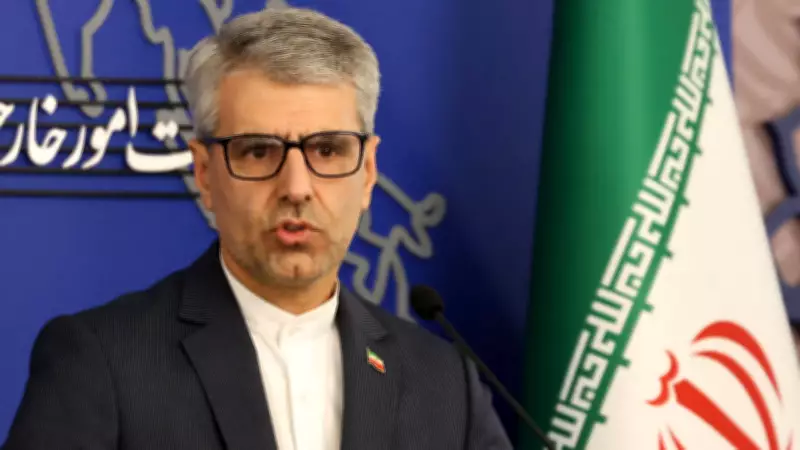
In response, Iranian foreign ministry spokesman Esmaeil Baqaei stated on Monday that Tehran currently has no plans for a subsequent round of negotiations. Despite this firm position, Iran has not completely ruled out diplomacy. Ebrahim Azizi, head of the Iranian Parliament's National Security Committee, emphasized in an interview with Al Jazeera that engagement with Washington would depend strictly on national priorities.

Iran's Conditions and Red Lines
Azizi stated unequivocally that "Iran acts based on national interests" and remains prepared to do whatever is necessary to secure the country's interests and security. He stressed that continuing dialogue does not come without limits, repeating that this "does not mean to negotiate at any cost." The Iranian official emphasized that Tehran has defined red lines that must be observed, and that sending a delegation to Islamabad would depend on receiving constructive feedback and a positive signal from the United States.
Describing Tehran's approach, Azizi said diplomacy is closely linked to its military posture. "We see the current negotiations as a continuation of the battlefield, and we see nothing other than the battlefield in this," he explained. He added that talks would only be meaningful if they yield achievements that sustain those of the battlefield, warning that this would not be the case if the Americans intend to turn this into a field of excessive demands based on their bullying approach.
Key Conditions for Progress
Azizi pointed to several key conditions that must be met for any diplomatic progress to occur. He noted that the issue of Lebanon has been very important for Iran and that the release of frozen assets remains a priority. The Iranian official warned that any move contrary to the interests of the resistance front would signal rejection of Iran's conditions and would have consequences.
Previous Negotiations and Sticking Points
The most recent US-Iran ceasefire talks held in Islamabad on April 11 ended without any agreement. The discussions, which were mediated by Pakistan, lasted approximately 21 hours but failed to produce a breakthrough. The deadlock centered on significant disagreements over the Strait of Hormuz and Iran's nuclear program.
Iranian state outlets have reported that the US naval blockade of Iranian ports remains a central sticking point, with Tehran arguing that it amounts to collective punishment. This issue continues to complicate diplomatic efforts as both sides maintain firm positions on their respective security concerns and strategic interests in the region.






