

Satellite Evidence Shows Devastating Impact of Iranian Missile Attack on US Base in UAE
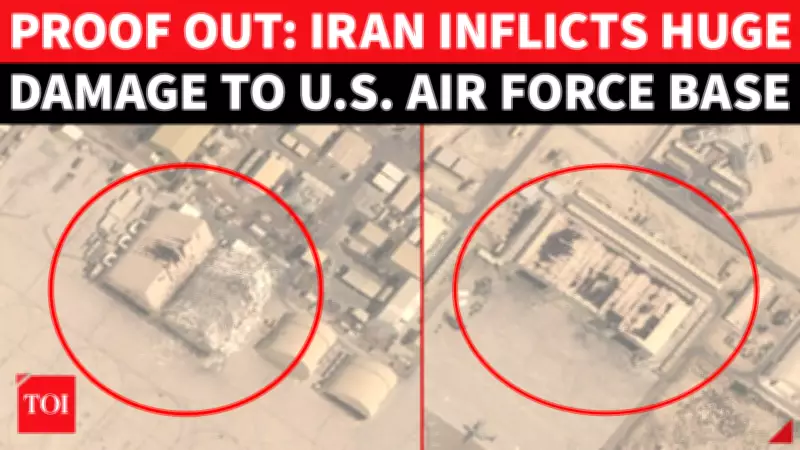
High-resolution satellite imagery has provided undeniable visual confirmation of the severe damage inflicted upon the United States military presence at Abu Dhabi's Al Dhafra Air Base. The images, captured by Airbus Defence and Space's advanced Pléiades Neo satellites, depict a scene of significant destruction following a targeted missile strike launched by Iran's Islamic Revolutionary Guard Corps (IRGC).
Critical Infrastructure for US Stealth Fighters Compromised
The attack specifically targeted hangars housing America's most advanced fifth-generation fighter aircraft, the F-35 Lightning II. Analysis of the satellite photos shows one hangar completely shredded by intense fire, with structural integrity severely compromised. A second hangar sustained substantial roof damage, indicating the precision and force of the strike. These facilities are crucial not only for aircraft storage but also for maintenance, repair, and logistical operations supporting US airpower in the region.
Al Dhafra Air Base serves as a strategic linchpin for American military activities across southwest Asia, hosting approximately 2,000 US personnel. This contingent includes vital drone operators and the elite units responsible for operating the stealth-capable F-35s. The base's role had been a closely guarded aspect of US-UAE cooperation, with the Emirati government only recently acknowledging the American military footprint publicly.

Escalating Tensions and Regional Security Implications
This direct strike on a facility with a substantial US troop presence marks a serious escalation in regional hostilities. The damage to repair and logistics areas suggests an intent to cripple operational readiness and sustainment capabilities, potentially affecting mission effectiveness for a prolonged period. The incident underscores the volatile security landscape in the Gulf and the increasing willingness of state actors to target adversary assets directly.
The release of these satellite images provides independent verification of the attack's scale, moving beyond initial reports to offer tangible evidence of the consequences. Military analysts are now assessing the long-term impact on US force projection in the area, considering the time and resources required to restore such specialized facilities to full operational status.
This event is likely to trigger significant diplomatic and military reassessments among allied nations in the region, as the vulnerability of even well-established bases becomes apparent. The targeting of stealth fighter infrastructure, in particular, represents a bold challenge to US air superiority and technological edge in theater.






