Iranian Journalist's Viral Post Draws Stark Holocaust Parallels
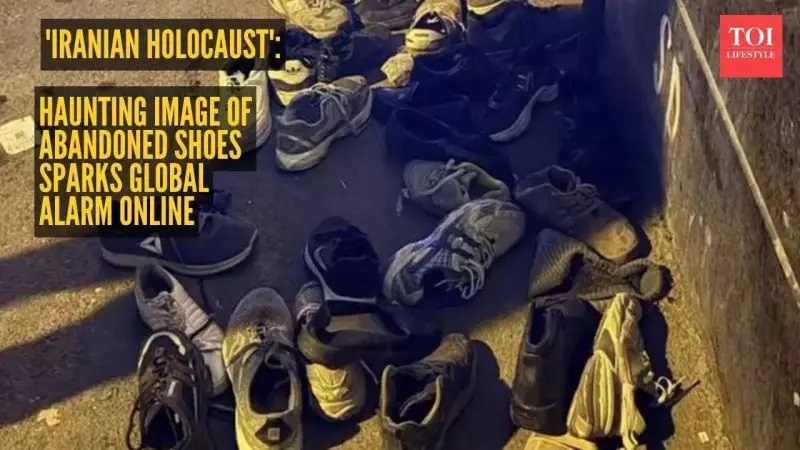
Award-winning journalist Arash Sigarchi has ignited a firestorm of global concern with a single, powerful image. The managing editor of Voice of America's Persian Division shared a photograph on social media platform X that shows dozens of shoes scattered across a charred marketplace in Rasht, Iran. This haunting visual immediately prompted comparisons to one of history's darkest chapters.
The Rasht Incident: Eyewitness Accounts Paint a Horrific Picture
According to multiple eyewitness reports and human rights organizations, the scene captured on January 8th, 2026, tells a brutal story. Regime forces allegedly set fire to a popular bazaar in northwest Iran's Rasht city. They then trapped demonstrators inside the burning structure. Witnesses claim security personnel shot anyone who attempted to escape the flames.
"At the Holocaust Museum in Washington, there is a room filled with shoes—silent witnesses to lives taken before burning them," Sigarchi wrote in his emotional X post. "Now look at this photo. Shoes left behind after the Islamic Republic’s Nazi-like forces opened fire on unarmed Iranians whose only demand was freedom."

The journalist, who has previously served as a political prisoner himself, made his connection painfully clear. "In my city, Rasht, they were trapped in the bazaar, gunned down, then burned. If this is not a crime against humanity, what is?"
Global Reactions: Voices of Outrage and Remembrance
The image quickly went viral, sparking intense reactions from Iranian diaspora communities and human rights advocates worldwide. Suren Edgar, vice president of the Australian-Iranian Community Alliance, commented on the same platform with grave concern.
"These shoes in Rasht are not art," Edgar stated firmly. "They belonged to people trapped after regime forces set the historic bazaar on fire and shot those trying to escape. The imagery is unmistakable—an Iranian Holocaust unfolding in real time."
Other social media users echoed this sentiment with passionate declarations. "We will never forget. Not the shoes. Not the blood. Not Rasht," one person wrote. "They trapped people, shot them for demanding freedom, then burned the evidence. This is a crime against humanity, plain and simple."
Some commentators looked toward future accountability. "After Iran is freed there needs to be a museum of Islamic terror to warn future generations," another user suggested. "Never again."
Broader Context: Nationwide Protests and Communication Blackouts
This incident occurs against a backdrop of widespread unrest across Iran. Protests first erupted in Tehran on December 28, 2025. They have since spread to more than 280 different locations throughout the country. Dozens of people have lost their lives in what many analysts describe as the Islamic Republic's most serious crisis in years.
Human rights organizations have documented a troubling pattern. The Iranian regime frequently cuts off internet access during protests, isolating demonstrators from the outside world. Mahmood Amiry-Moghaddam, founder of the Iran Human Rights organization, spoke to British newspaper The Observer about this dangerous tactic.
"The mass killings started right after the internet blackout," Amiry-Moghaddam revealed. This statement highlights how communication shutdowns often precede escalations in violence.
Additional footage shared by rights groups shows the smoldering aftermath of the Rasht bazaar fire. Burned-out structures stand as grim testimony to the severity of the crackdown. The combination of fire, gunfire, and communication blockades creates what many observers call a perfect storm for human rights abuses.
Sigarchi's decision to share the shoe photograph represents more than just documentation. It serves as a deliberate act of historical memory. By drawing direct parallels between the display at the Washington Holocaust Museum and the scene in Rasht, he forces international audiences to confront uncomfortable similarities. The shoes become silent witnesses, just as those in the museum do—each pair representing a life abruptly ended, a story left unfinished.

This visual evidence challenges global complacency. It asks whether the world will recognize patterns of violence before they escalate further. For the Iranian diaspora and human rights advocates, the Rasht photograph symbolizes both current suffering and the urgent need for international attention. The debate continues about appropriate terminology, but the underlying reality remains stark and undeniable.