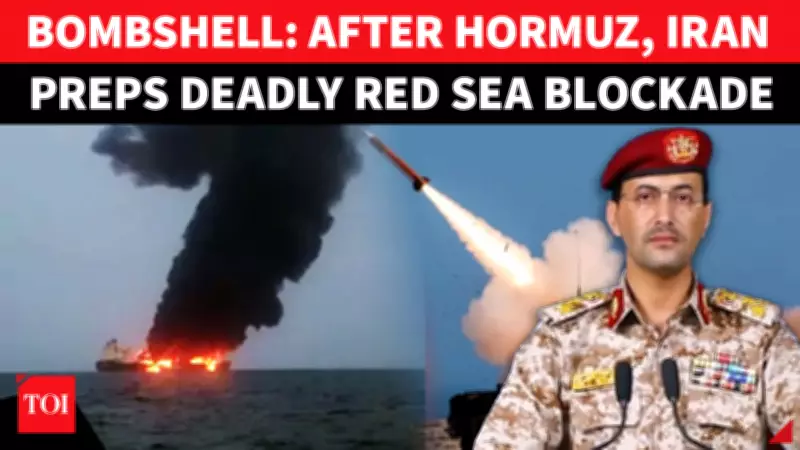
Iran Reportedly Pressures Houthis for Major Red Sea Escalation
Fresh reports emerging from intelligence sources suggest that Iran may be actively pushing Yemen's Houthi rebels toward a significant escalation of hostilities in the strategically vital Red Sea region. According to European officials familiar with the matter, this potential move could hinge on further military or political actions taken by the United States in the ongoing regional tensions.
Targeting Global Shipping Lanes
The escalation under consideration reportedly involves targeting commercial shipping vessels, including critical oil tankers that traverse these busy maritime routes. The Houthi group has already demonstrated its capability by launching numerous missile and drone attacks directed at Israel in recent months. However, they have so far stopped short of officially confirming any plans for direct maritime strikes against shipping in the Red Sea.
Internal divisions within the Houthi leadership structure remain a point of observation, as these could influence the group's decision-making process and its responsiveness to external pressures from Tehran.

Coordination Among Iran-Backed Groups
Simultaneously, unverified intelligence reports claim that international efforts to dismantle or weaken the so-called "Axis of Resistance"—a network of Iran-backed militant groups across the Middle East—have ultimately failed. Instead, coordination and collaboration among these groups, including the Houthis, Hezbollah, and various Iraqi militias, appear to be increasing. This heightened coordination raises significant concerns about a more unified and potent threat to regional stability.
Global Trade and Energy Supplies at Risk
The potential for an escalated conflict in the Red Sea brings the Bab al-Mandeb Strait sharply into focus. This narrow chokepoint is a crucial artery for global trade, with a substantial portion of the world's oil shipments and commercial goods passing through it daily. The closure or significant disruption of this strait would have immediate and severe repercussions for international energy markets and global supply chains, potentially triggering economic shocks worldwide.
Analysts warn that such a scenario not only threatens maritime security but also significantly elevates the risk of a broader regional war, drawing in multiple state and non-state actors. The situation remains fluid, with diplomatic channels under strain as the international community watches for signs of de-escalation or further provocation.