

Iran Defiantly Rejects US Overtures, Unleashes Multi-Front Offensive
In a sharp rebuke to diplomatic overtures, Iran has categorically refused to engage in negotiations with the United States, simultaneously launching a significant retaliatory campaign targeting Israel, neighboring Gulf nations, and vital global energy infrastructure. This aggressive move comes mere hours after US President Donald Trump asserted that Tehran was prepared for dialogue, highlighting a stark escalation in regional hostilities.
Tehran's Firm Stance and Military Escalation
Ali Larijani, the head of Iran's National Security Council, emphatically dismissed any possibility of talks with the US. In a series of incendiary posts on social media platform X, Larijani accused Trump of plunging the region into chaos with what he termed "delusional fantasies" and expressed concern over potential American troop casualties. "Iran, unlike the United States, has prepared itself for a long war," he declared, underscoring Tehran's readiness for prolonged conflict.
The Iranian Revolutionary Guards announced that their retaliatory strikes have so far targeted an extensive array of sites, including:

- 500 locations linked to the US and Israel
- 60 strategic targets
- 500 American military installations
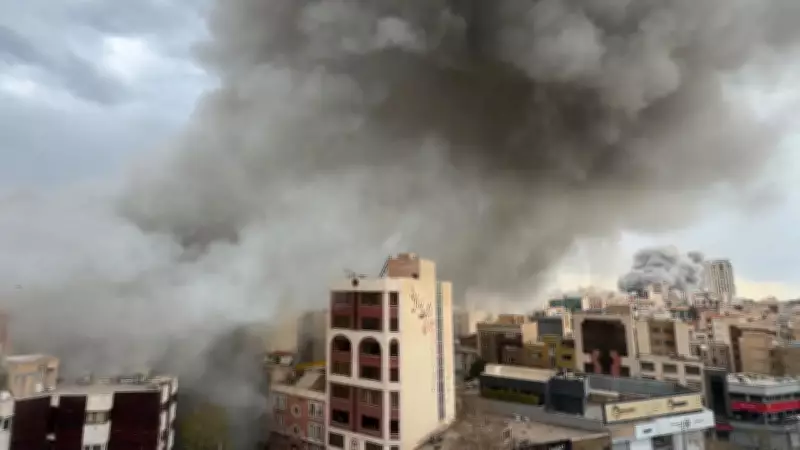
Online footage from the Aramco site depicted thick black smoke billowing into the sky following the attacks, illustrating the severity of the assaults.
Critical Energy Infrastructure Under Attack
The offensive has directly threatened global oil and natural gas production, with key facilities in the Gulf region coming under drone attacks. Saudi Arabia's Ras Tanura oil refinery, one of the world's largest with a daily capacity exceeding half a million barrels of crude oil, was struck by Iranian drones. Located near Dammam in eastern Saudi Arabia, the refinery was temporarily shut down as a precautionary measure, as reported by Saudi state television.
Additionally, Qatari energy facilities were hit, further destabilizing an already rattled global market that has seen oil prices soar amid the ongoing fighting. The attacks underscore Iran's strategy to leverage economic pressure through targeting essential energy infrastructure.
Regional and International Responses
Israel has responded by bombing Hezbollah targets in Beirut, while Gulf nations have vowed to defend themselves against Iranian aggression. Iranian state media has circulated a video purportedly showing a US F-15 fighter jet engulfed in flames with pilots ejecting, claiming it was downed in Kuwait, though this remains unverified. Explosions have also been reported in Bahrain, Dubai, and Doha, indicating the widespread nature of the conflict.
The human cost of the escalating violence is mounting. The Iranian Red Crescent Society reports at least 555 fatalities in Iran due to the US-Israeli campaign, while Israeli authorities confirm 11 deaths. The US has acknowledged the loss of four American troops in action, with Trump somberly noting, "Sadly, there will likely be more before it ends. That's the way it is."
US Military Strategy and Statements
In the Trump administration's first news briefing since the initial strikes on Saturday, Defense Secretary Pete Hegseth outlined the US military's objectives. He emphasized that the conflict is "not endless" and articulated a clear, decisive mission: to destroy Iran's missile threat, neutralize its navy, and prevent nuclear capabilities. "No stupid rules of engagement, no nation building quagmire, no democracy building exercise, no politically correct wars. We fight to win, and we don't waste time or lives," Hegseth stated.

He justified the operation by pointing to threats from ballistic missiles and drones, alleging that Iran was developing these weapons to create a conventional shield for nuclear blackmail ambitions. Notably, Hegseth suggested the US is not seeking regime change in Iran, despite the killing of Supreme Leader Ayatollah Ali Khamenei, remarking, "This is not a so-called regime change war, but the regime sure did change and the world is better off for it." When questioned about ground troops in Iran, he remained ambiguous, stating, "No, but we're not going to go into the exercise of what we will or will not do."
While Trump has predicted the war could last "four or five weeks," the ongoing offensive and firm rejections from Tehran suggest a protracted and volatile conflict ahead, with significant implications for regional stability and global energy markets.





