

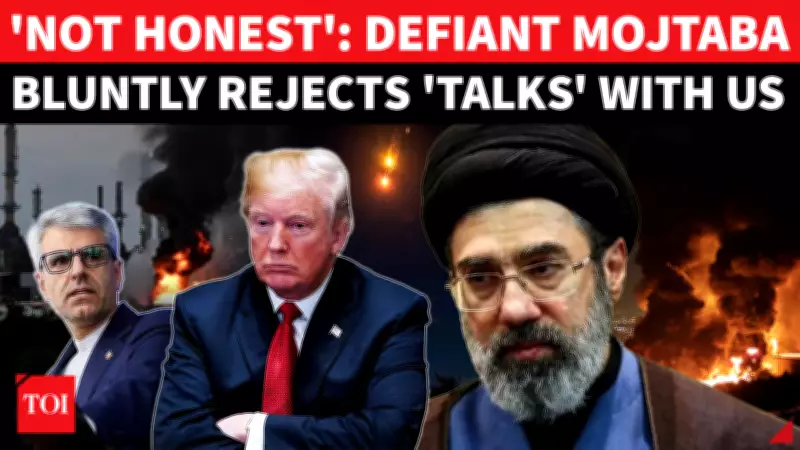
Iran Dismisses US Negotiation Claims Amid Escalating Tensions
In a defiant move, Iran has officially rejected United States claims that active negotiations are underway between the two nations. The Iranian Foreign Ministry spokesperson, Esmaeil Baqaei, labeled Washington's proposals as "unrealistic," confirming that these overtures were communicated through intermediaries, including Pakistan. This statement comes as geopolitical uncertainty deepens across the Middle East, with fears of military conflict on the rise.
Trump's Stark Warning of Retaliation
Simultaneously, former US President Donald Trump has issued a severe warning, threatening massive retaliation if no diplomatic agreement is reached and the critical Strait of Hormuz remains closed. Trump's remarks have intensified concerns over potential military escalation, contributing to a volatile atmosphere in the region. His threats specifically mention targeting Iranian power infrastructure, oil facilities, and the key Kharg Island oil terminal, highlighting the high stakes involved.
Economic and Global Implications
The escalating tensions have already triggered significant economic repercussions. Oil prices have surged in response to the heightened risk of supply disruptions, causing global markets to tremble. Investors and analysts are closely monitoring the situation, as any further escalation could lead to widespread instability in energy markets and broader financial systems.

Iran's Stance on Direct Talks
Despite the US assertions, Iran maintains that no direct talks are currently in progress. This position underscores the deep-seated mistrust between the two nations and complicates efforts to de-escalate the situation. The lack of formal dialogue raises the likelihood of continued military posturing and potential confrontations, adding to the geopolitical uncertainty that has gripped the region.
Regional and International Concerns
The standoff between Iran and the US has far-reaching implications, affecting not only the Middle East but also global security dynamics. Neighboring countries and international allies are on high alert, as the potential for conflict threatens to destabilize an already fragile area. The involvement of intermediaries like Pakistan indicates the complex web of diplomatic efforts being employed to manage the crisis, though success remains uncertain.
As war fears mount, the international community watches anxiously, hoping for a peaceful resolution to avert a broader conflict that could have devastating consequences for regional stability and global economies.






