

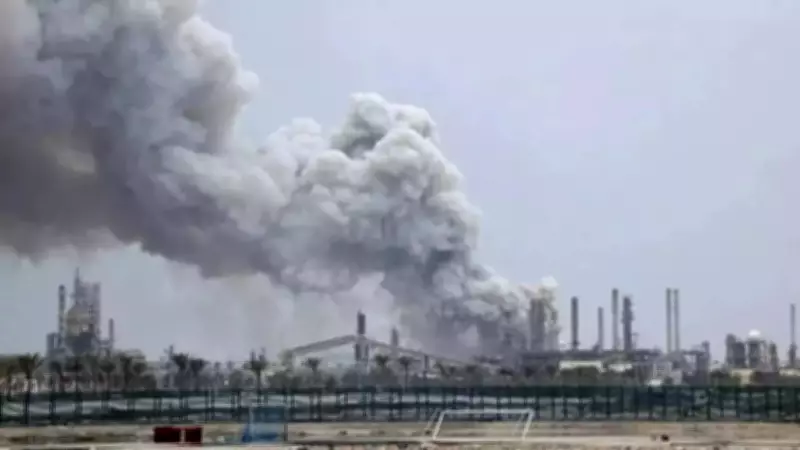
Iranian Strikes Inflict Extensive Damage on Qatar's Vital Gas Hub, Heightening Global Energy Supply Concerns
In a significant escalation of the Middle East conflict, Iranian strikes have caused extensive damage to Qatar's primary gas hub at Ras Laffan Industrial City, raising fresh fears over global energy supplies. The attacks have triggered sizable fires and significant harm to liquefied natural gas (LNG) facilities, though authorities later confirmed the fires were contained and no injuries were reported.
Escalating Conflict and Market Impact
The escalation comes amid tit-for-tat strikes involving Iran, Israel, and the United States, with former US President Donald Trump warning Tehran against further attacks. In response to the supply concerns, oil prices jumped more than 5 percent, reflecting market anxiety over disruptions in a region critical to global energy flows. Brent crude briefly surged past $112 a barrel, rattling global markets as missile and drone attacks spread across the Gulf.
Key Energy Sites Under Fire in the Middle East
The conflict has targeted several critical energy infrastructures across the region:

- Ras Laffan (Qatar): The world's largest LNG hub has been repeatedly targeted, with the latest strikes causing extensive damage and fires across key facilities. Earlier attacks also hit a gas-to-liquids plant. QatarEnergy had already halted LNG production earlier this month after Iranian strikes.
- South Pars (Iran): Part of the world's largest gas field shared with Qatar, South Pars supplies around 70 percent of Iran's domestic gas. A strike caused a fire at the facility. Trump stated that Israel carried out the attack and warned that if Iran escalates further, the US would massively blow up the entirety of the field.
- Kharg Island (Iran): Kharg Island handles about 90 percent of Iran's crude exports. It was struck in US attacks, though Iranian officials said exports continued without disruption.
- Ruwais Refinery (UAE): Located in Abu Dhabi, the Ruwais Refinery halted operations as a precaution after a drone attack on its industrial complex. Operator ADNOC did not confirm direct damage.
- Ras Tanura (Saudi Arabia): Ras Tanura Refinery, one of the region's largest refineries, was hit in drone strikes that sparked a fire and partial shutdown. Operations have since resumed, according to reports.
Regional and Global Responses
Qatar, one of the world's top LNG exporters, shares the massive North Dome gas field with Iran, which Tehran calls South Pars. The strikes mark a dangerous expansion of the conflict into critical energy infrastructure, prompting strong warnings from Gulf states.
Qatar condemned what it called a brutal Iranian attack targeting Ras Laffan, stating it posed a direct threat to national security. The foreign ministry warned that targeting energy infrastructure constitutes a threat to global energy security, to the peoples of the region, and to its environment.
The United Arab Emirates echoed these concerns, calling the strikes a dangerous escalation and warning that targeting energy infrastructure poses a direct threat to global energy security.
Iran's Revolutionary Guards issued a statement carried by Iranian media, warning that attacking the energy infrastructure of the Islamic republic was a big mistake.
Broader Implications and Future Outlook
As the conflict intensifies, fears of a prolonged disruption to oil and gas supplies have intensified. The attacks on key energy sites underscore the vulnerability of global energy markets to geopolitical tensions in the Middle East. With Qatar and Iran sharing critical gas resources, any further escalation could have severe repercussions for international energy stability and economic conditions worldwide.






