

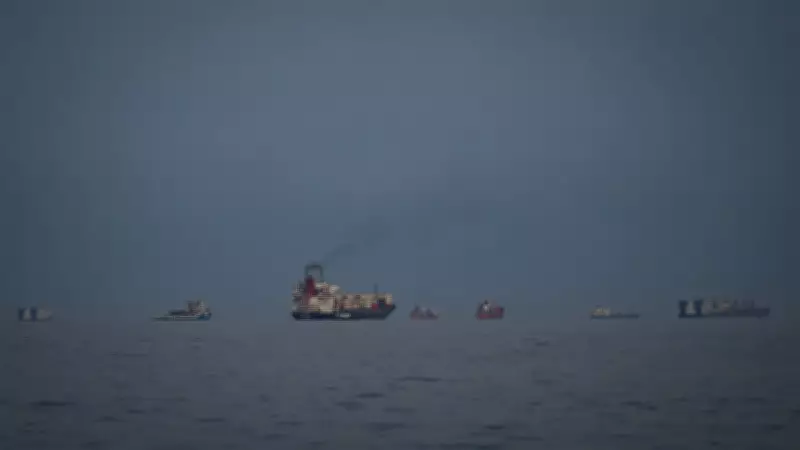
Iran Threatens to Completely Shut Strait of Hormuz After Trump's Ultimatum
In a significant escalation of geopolitical tensions, Iran has issued a stark threat to completely shut down the strategic Strait of Hormuz. This move comes directly in response to an ultimatum delivered by former US President Donald Trump, as ongoing conflicts continue to rage across the Middle East and West Asia, raising fears of a broader regional crisis.
Background of the Strait of Hormuz
The Strait of Hormuz is a narrow waterway located between the Persian Gulf and the Gulf of Oman. It serves as a critical global chokepoint for oil transportation, with approximately one-fifth of the world's petroleum liquids passing through it annually. Any disruption here could have severe implications for global energy markets and international trade, potentially triggering economic shocks worldwide.
Trump's Ultimatum and Iran's Response
Former President Donald Trump, known for his hardline stance on Iran during his administration, recently issued a new ultimatum demanding that Iran cease its support for militant groups in the region and halt its nuclear program activities. In a fiery statement, Trump warned of "severe consequences" if Iran failed to comply, echoing policies from his tenure that included withdrawing from the Iran nuclear deal and imposing heavy sanctions.

Iranian officials have responded with defiance, threatening to shut the Strait of Hormuz entirely if pressured further. This threat is not new but has gained renewed urgency amid the current tensions. Iran has previously used such warnings as leverage in diplomatic standoffs, but the combination of Trump's reemergence in political discourse and the ongoing wars in areas like Gaza and Yemen has heightened the stakes.
Impact on Middle East Conflicts
The threat comes as multiple conflicts persist in the Middle East and West Asia, including:
- Ongoing warfare in Gaza, with humanitarian crises deepening.
- Continued hostilities in Yemen, involving regional powers.
- Skirmishes in Syria and Iraq, where Iran-backed groups are active.
Shutting the Strait of Hormuz could exacerbate these conflicts by disrupting oil supplies, potentially drawing in other nations and escalating military confrontations. Analysts warn that such an action might prompt responses from the United States and its allies, who have historically patrolled the area to ensure maritime security.
Global Reactions and Concerns
International observers have expressed alarm over Iran's threat. Key concerns include:
- Economic instability due to potential oil price spikes.
- Increased military deployments in the Persian Gulf region.
- Diplomatic fallout affecting ongoing peace efforts in the Middle East.
Countries reliant on oil imports from the Gulf, such as India, China, and Japan, are closely monitoring the situation. The United Nations has called for restraint, emphasizing the need for dialogue to prevent further escalation.
Historical Context and Future Outlook
Iran has threatened to close the Strait of Hormuz in the past, particularly during periods of heightened sanctions or military threats. However, the current scenario is compounded by Trump's reentry into the political arena and the volatile state of regional wars. Experts suggest that while a full shutdown might be a last resort, even partial disruptions could have significant repercussions.
As tensions simmer, the international community awaits further developments. The situation underscores the fragile balance in West Asia, where geopolitical maneuvers can quickly spiral into broader conflicts. Stakeholders are urged to engage in diplomatic channels to de-escalate and address the root causes of instability in the region.






