Iranian authorities moved swiftly on Wednesday to execute a young man detained just last week during widespread protests. The Khamenei-led regime faces international scrutiny over its harsh crackdown on dissent.
Rapid Death Sentence for Protester
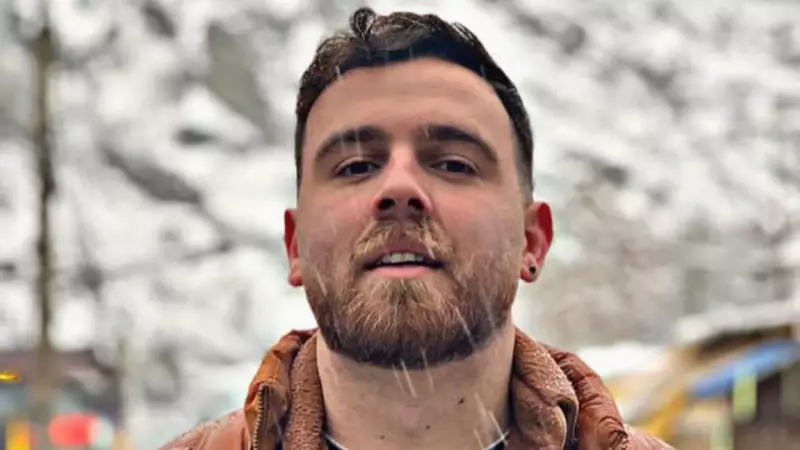
Erfan Soltani, a 26-year-old resident of Fardis near Tehran, faces imminent execution. Security forces arrested him in connection with protests in Karaj city. His case highlights the regime's brutal response to ongoing unrest.
A family relative revealed shocking details to BBC Persian. "The court issued a death sentence within just two days," the relative said. "It was an extremely rapid process. The family received notification that the execution would happen on Wednesday."

No Trial, Unclear Charges
Sources close to the Soltani family provided more disturbing information. Authorities arrested Erfan Soltani on January 8. They sentenced him to death without conducting a proper trial. The exact charges against him remain unknown.
The family learned about the execution plans only on Monday. They received confirmation that the sentence would be carried out just two days later. This case could mark the first execution linked to the latest protest wave against Supreme Leader Ayatollah Ali Khamenei's government.
Trump Issues Strong Warning
United States President Donald Trump responded forcefully to the developments. He issued a sharp warning to Tehran during an interview with CBS News. Trump addressed reports that hangings could begin as early as Wednesday.
"We will take very strong actions if they do such thing," Trump declared. He reiterated a message previously posted on social media platforms. "Help is on its way" for Iranian protesters, Trump assured.
The American president also commented on casualty figures. "I hear numbers -- look, one death is too much -- but I hear much lower numbers, and then I hear much higher numbers," Trump stated.
Nationwide Unrest and Crackdown
Iran experiences one of its most serious protest waves in decades. Large numbers of citizens take to streets across the country. The government responds with severe measures to suppress dissent.
Authorities shut down internet and communication services nationwide. This action leaves many Iranians completely cut off from the outside world. Information flow becomes severely restricted during the crackdown.
Rising Death Toll
The Human Rights Activists News Agency tracks protest casualties from its US base. This organization monitored previous rounds of unrest in Iran. Their latest report reveals alarming statistics.
HRANA confirms at least 2,571 people have died as of early Wednesday. This rising death toll adds to growing international concerns. Soltani's case represents just one example of the regime's harsh response to protesters.
Iran's judicial system operates with remarkable speed in protest-related cases. The Soltani execution plan demonstrates this accelerated process. Families receive minimal notice about their loved ones' fates.
Global attention focuses on Iran's human rights record during this crisis. The international community watches developments closely. Pressure mounts on Tehran to reconsider its approach to handling protests.