

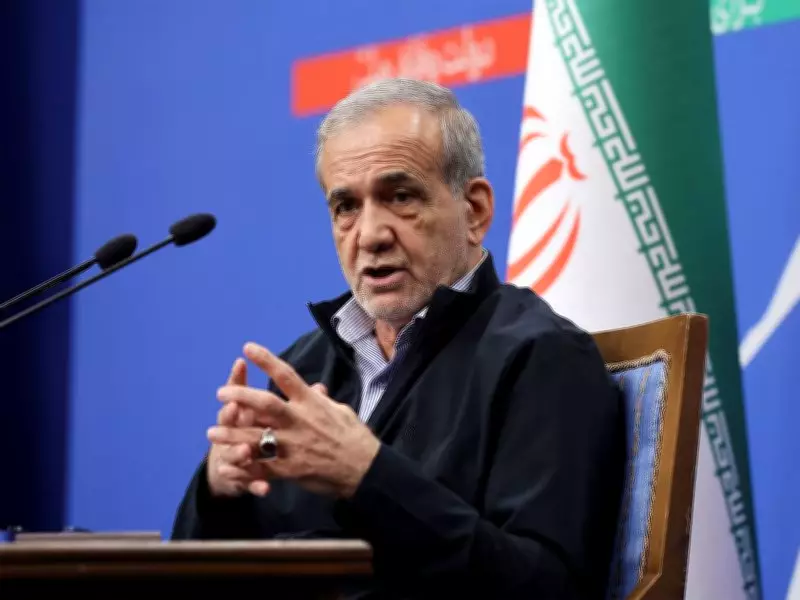
Iranian President Reaffirms Nation's Resolve to Counter US and Israeli Threats
In a significant statement addressing international tensions, Iranian President Masoud Pezeshkian has declared that Iran remains steadfast and resolute in its commitment to defending itself against any form of aggression from the United States and Israel. This announcement underscores Tehran's unwavering stance on national sovereignty and its readiness to protect its interests amid ongoing geopolitical frictions in the Middle East.
Pezeshkian's Firm Stance on National Defense
President Masoud Pezeshkian emphasized that Iran will not hesitate to take necessary measures to safeguard its territorial integrity and security. He highlighted that the country's defense capabilities are robust and prepared to respond to any hostile actions, reflecting a long-standing policy of deterrence against external threats. This declaration comes at a time of heightened regional instability, with Iran often at odds with US and Israeli policies in the area.
Context of Regional Tensions and Historical Grievances
The statement is set against a backdrop of decades-long animosity between Iran and the United States, as well as Israel, marked by economic sanctions, diplomatic disputes, and occasional military confrontations. Iran has frequently accused both nations of undermining its stability through covert operations and support for opposition groups. Pezeshkian's remarks reinforce Iran's narrative of being a victim of unwarranted aggression, while asserting its right to self-defense under international law.

- Iran maintains a firm and unyielding position in defending its sovereignty against US and Israeli aggression.
- The nation's military and strategic assets are on high alert to counter any potential threats.
- Tehran advocates for peaceful resolutions but is prepared for defensive actions if provoked.
- This stance aligns with Iran's broader foreign policy of resisting Western influence in the region.
Implications for Middle East Diplomacy and Global Relations
Pezeshkian's declaration could have far-reaching implications for diplomatic efforts in the Middle East, potentially complicating negotiations on issues such as nuclear proliferation and regional security. It signals Iran's intent to assert its autonomy and challenge perceived encroachments by external powers. Analysts suggest that this may lead to increased volatility, as the United States and Israel have previously warned against Iranian activities they deem provocative.
Observers note that such statements often serve to rally domestic support and project strength internationally, but they also risk escalating tensions in an already fragile geopolitical landscape.In summary, President Masoud Pezeshkian's reaffirmation of Iran's defensive resolve highlights the ongoing standoff with the United States and Israel, emphasizing national resilience amid external pressures. As Iran continues to navigate complex international relations, its commitment to self-defense remains a cornerstone of its strategic posture, with potential ripple effects across global politics and security dynamics.






