

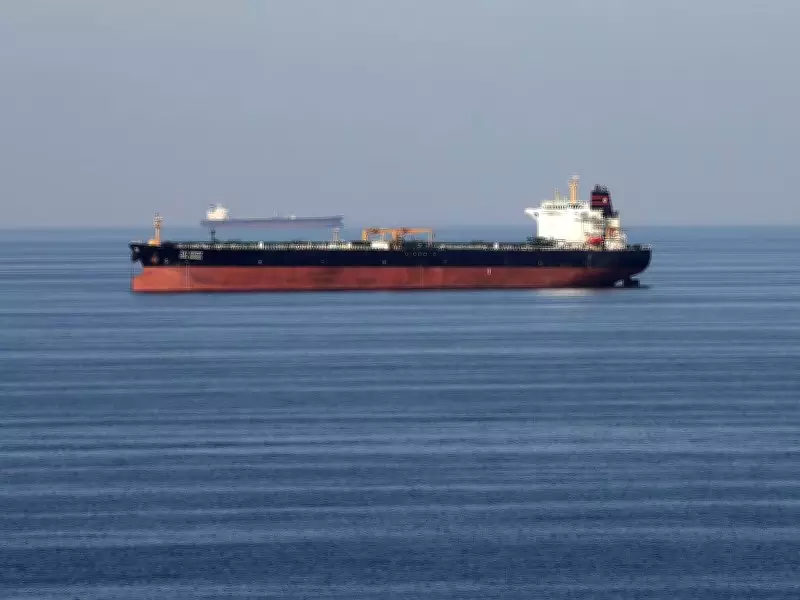
Iranian Lawmaker Firmly Declares Tehran's Unwavering Control Over Strait of Hormuz
In a resolute statement, Iranian Member of Parliament Ebrahim Azizi has emphatically asserted that Tehran will never relinquish control of the strategically vital Strait of Hormuz. This declaration underscores Iran's steadfast commitment to maintaining sovereignty over one of the world's most crucial maritime passages, which serves as a linchpin for global energy security.
A Critical Global Chokepoint for Oil Transportation
The Strait of Hormuz is a narrow waterway located between the Persian Gulf and the Gulf of Oman, functioning as a primary conduit for approximately one-fifth of the world's oil supply. Its strategic importance cannot be overstated, as it facilitates the transit of millions of barrels of crude oil daily from major producers like Saudi Arabia, Iraq, and the United Arab Emirates to international markets.
Azizi's remarks highlight Iran's perception of the strait as an integral component of its national security and economic interests. He emphasized that any attempts to undermine Tehran's authority in the region would be met with firm resistance, reflecting longstanding tensions with Western powers and neighboring Gulf states.

Regional Tensions and Geopolitical Implications
This assertion comes amid ongoing geopolitical frictions in the Middle East, where Iran's role and influence are frequently contested. The strait has been a flashpoint in past conflicts, with Iran previously threatening to block the passage in response to sanctions or military threats.
Analysts note that control over the Strait of Hormuz provides Iran with significant leverage in international diplomacy and trade negotiations. Azizi's statement reinforces Tehran's position that it will not compromise on this strategic asset, potentially escalating regional disputes and impacting global oil prices.
Iran's Stance on Sovereignty and Security
Azizi, representing Iran's parliamentary views, articulated that Tehran's control is non-negotiable and rooted in historical and legal claims. He argued that Iran has the right to defend its territorial waters and ensure the security of maritime traffic, while also safeguarding its own economic lifelines.
- The strait is essential for Iran's oil exports, which are a cornerstone of its economy.
- Iran has invested in military capabilities to patrol and secure the waterway.
- International concerns persist about potential disruptions to global energy supplies.
This firm stance aligns with broader Iranian foreign policy objectives, which often prioritize national sovereignty and resistance to external pressures. As tensions simmer, the international community watches closely, aware that any escalation could have far-reaching consequences for energy markets and regional stability.






