

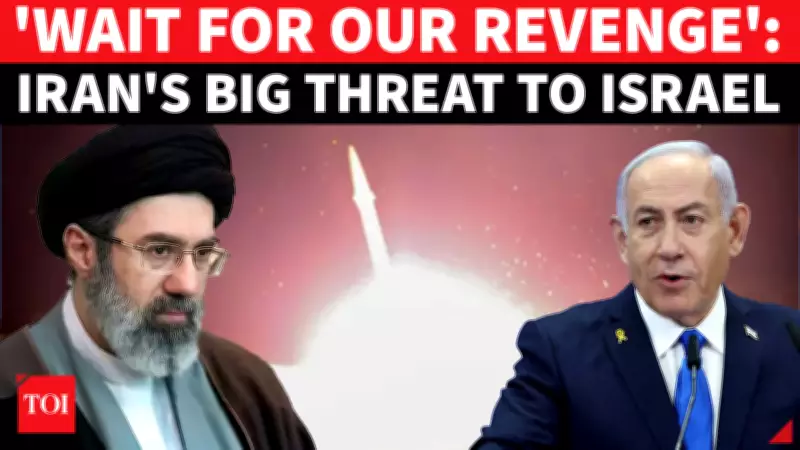
Iran Issues Dire Warning to Israel Over Lebanon Strikes
Tensions between Iran and Israel have escalated dramatically, with Tehran delivering an open threat of severe retaliation against Israel's military actions in Lebanon. Iranian lawmaker Ebrahim Azizi issued a chilling statement, declaring that Israel "does not understand the meaning of a ceasefire" and that "only fire will bring Israel to senses." This warning comes amid accusations from Iran that Israel has violated a fragile truce brokered by U.S. President Donald Trump.
Ceasefire Dispute Intensifies Regional Conflict
Tehran insists that Lebanon was explicitly included in the ceasefire agreement announced by President Trump, a claim that has been firmly denied by both Israeli Prime Minister Benjamin Netanyahu and the Washington administration. The disagreement over the terms of the ceasefire has fueled fears of a broader conflict, with Iran positioning itself as a defender of Lebanese sovereignty against Israeli aggression.
Azizi's Stark Message: "Wait for Firestorm"
In his provocative remarks, Azizi cautioned Netanyahu to "wait for firestorm," signaling that Iran is prepared to respond with overwhelming force if Israel continues its strikes. This rhetoric underscores the high stakes involved, as both nations appear to be on a collision course that could destabilize the entire Middle East region.

The situation is further complicated by:
- Historical animosities between Iran and Israel, which have long engaged in proxy conflicts across the region.
- Lebanon's vulnerable position, caught between the geopolitical maneuvers of more powerful states.
- International concerns about the potential for a full-scale war that could draw in global powers.
Broader Implications for Middle East Stability
This latest exchange of threats occurs against a backdrop of heightened military posturing in the region. Iran's warning is not an isolated incident but part of a pattern of escalating rhetoric and actions that have raised alarms among international observers. The possibility of miscalculation or unintended escalation remains a significant risk, with the potential to trigger a wider conflagration.
As the standoff continues, the international community watches closely, hoping for diplomatic interventions to de-escalate the situation before it spirals out of control. The coming days will be critical in determining whether cooler heads prevail or if the region descends into further violence.






