

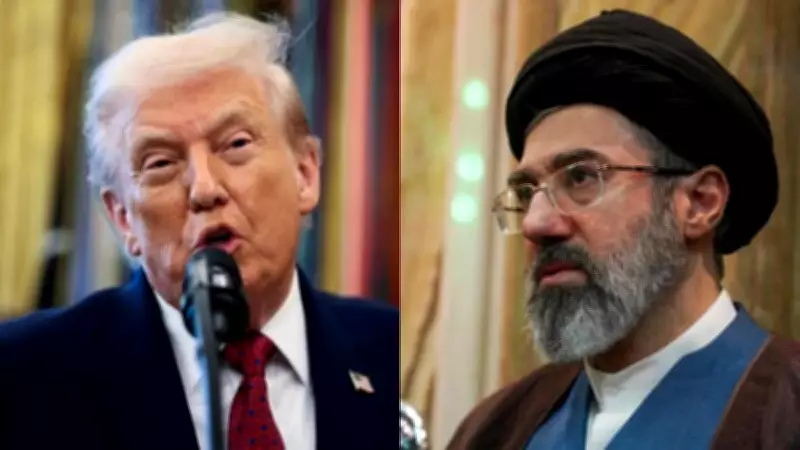
Iran's Revolutionary Guards Issue Dire Warning to US and Allies Over Infrastructure
In a dramatic escalation of geopolitical tensions, the Iranian Revolutionary Guards have issued a severe threat to target the United States and its allies' infrastructure. This warning comes just hours before a critical deadline set by former US President Donald Trump, heightening fears of a potential conflict in the Middle East.
Threats to Disrupt Regional Oil and Gas Supplies
The Revolutionary Guards explicitly stated their intention to disrupt regional oil and gas supplies for years, a move that could have devastating consequences for global energy markets. This threat underscores Iran's strategic leverage in the region, where it holds significant influence over key shipping lanes and production facilities.
If the US crosses red lines, Iran has vowed to respond not only within the region but also beyond it, indicating a potential for broader international repercussions. This warning highlights the escalating stakes as diplomatic efforts appear to falter.

Context of Trump's Deadline and Regional Tensions
The timing of this warning is particularly significant, as it aligns with a looming deadline from Trump's administration, which has historically taken a hardline stance against Iran. This development adds to the already volatile situation in the Middle East, where ongoing conflicts and power struggles have kept the region on edge.
Experts warn that such threats could lead to increased military posturing and economic instability, affecting not just the involved nations but also global trade and security. The potential disruption of oil and gas supplies could trigger price spikes and supply chain issues worldwide.
Implications for US Allies and International Response
Iran's warning extends to US allies, suggesting that their infrastructure could also be targeted in any retaliatory actions. This broadens the scope of potential conflict, involving multiple nations and complicating international diplomacy.
- Increased risk to energy infrastructure in the Gulf region.
- Potential for escalated military engagements.
- Impact on global oil prices and economic stability.
As the situation unfolds, world leaders are closely monitoring developments, with calls for restraint and dialogue to prevent a full-blown crisis. The international community faces a critical test in managing these tensions to avoid further destabilization.






