Iranian Youth's Desperate Final Message to Trump: 'Attack, Don't Negotiate'
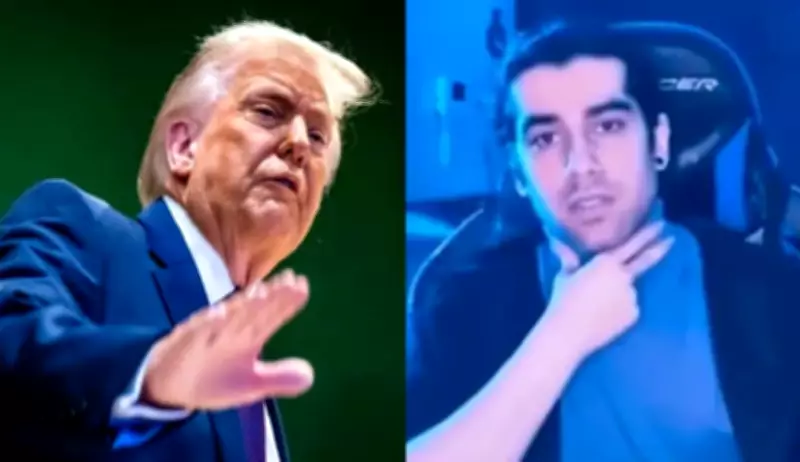
In a heartbreaking and politically charged incident, a young Iranian man named Pouria Hamidi recorded a final video message directed at former United States President Donald Trump before taking his own life. The video, which has circulated online, shows Hamidi making a desperate plea for military intervention against the Iranian regime, explicitly stating, "Attack, don't negotiate." This tragic event highlights the deep-seated frustrations and despair among some segments of Iranian youth regarding their government's policies and international relations.
The Video Appeal and Its Contents
The video, reportedly filmed shortly before Hamidi's suicide, captures him speaking directly to Trump, urging aggressive action rather than diplomatic talks. In the footage, Hamidi expresses a stark viewpoint that negotiation with Iran's current leadership is futile and that only forceful measures could bring about change. His words reflect a sentiment of hopelessness and a call for external intervention, which has resonated with some dissident groups but also sparked controversy about the ethics of such appeals.
Details from the video indicate that Hamidi was a young individual, possibly in his twenties, who felt compelled to use his final moments to make a political statement. The appeal is not just a personal cry for help but a symbolic act aimed at drawing international attention to the perceived oppression in Iran. This incident underscores the extreme measures some are willing to take to voice their dissent, raising questions about mental health and political activism in restrictive societies.

Context and Reactions
This event occurs against a backdrop of ongoing tensions between Iran and the United States, particularly during Trump's presidency, which was marked by a hardline stance against Tehran, including the withdrawal from the nuclear deal and imposition of sanctions. Hamidi's message taps into the broader discourse of regime change and external pressure, which has been a polarizing topic in international politics.
Reactions to the video have been mixed. Some observers have expressed sympathy for Hamidi's plight, viewing his act as a tragic consequence of political repression and economic hardship in Iran. Others have criticized the appeal as misguided, arguing that it promotes violence and overlooks the complexities of international diplomacy. Mental health advocates have emphasized the need for support systems to prevent such desperate actions, highlighting the intersection of personal despair and political expression.
Broader Implications and Analysis
The suicide and video appeal raise significant issues about youth disillusionment in Iran, where many face challenges such as unemployment, social restrictions, and limited political freedoms. Hamidi's case is not isolated; it reflects a pattern of young Iranians resorting to extreme measures to protest against the government, often through social media and online platforms.
From a geopolitical perspective, this incident could influence perceptions of Iran's internal stability and the effectiveness of US foreign policy. It may fuel debates on whether external pressure or engagement is more effective in promoting change. However, it also serves as a somber reminder of the human cost of political conflicts, urging a more nuanced approach to international relations that considers the welfare of ordinary citizens.
In conclusion, Pouria Hamidi's final plea to Donald Trump is a poignant and disturbing episode that sheds light on the desperation felt by some Iranian youth. It calls for a deeper examination of the factors driving such actions and the responsibilities of global leaders in addressing human rights and political freedoms. As the video continues to circulate, it remains a stark testament to the power of individual voices in the face of adversity, even in their most tragic moments.