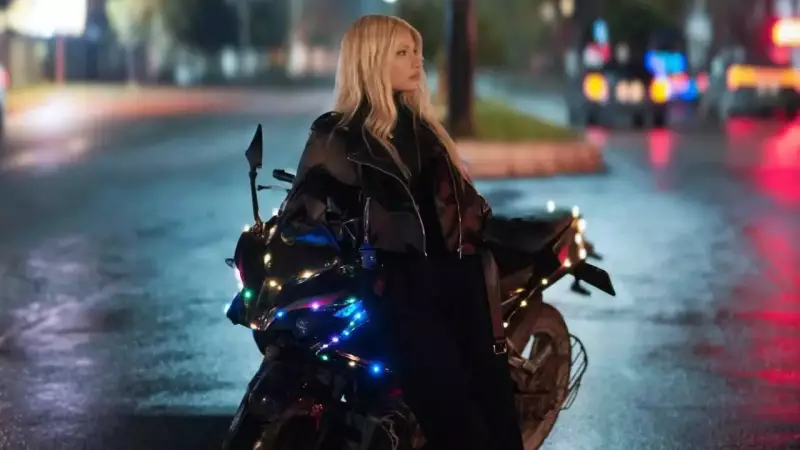
The Tragic End of Iran's 'Baby Rider': A Symbol of Youthful Defiance Silenced
Diana Bahadori was merely 19 years old when her life was brutally cut short. To her massive online following, she was celebrated as "Baby Rider" – the fearless young Iranian motorcyclist whose videos showcased remarkable confidence, impeccable style, and masterful control over powerful superbikes. For countless girls who watched her Instagram reels, Diana represented living proof that moments of freedom could be seized, even if briefly, even while riding on two wheels. Then, without warning, her vibrant presence vanished forever.
From Small-Town Girl to Social Media Sensation
On Instagram, Diana Bahadori had cultivated a devoted following exceeding 1.4 lakh people. Her content was cinematic in quality: featuring sleek helmets, roaring machines, steady hands on throttles, and a calm self-assurance that resonated deeply in a nation where women riding superbikes constitutes a quiet but powerful act of rebellion. She wasn't simply displaying motorcycles; she was visually demonstrating personal liberty.
In a society that meticulously regulates how women dress, move, and conduct themselves, Diana's digital persona felt audaciously bold, refreshingly modern, and completely unapologetic. For many young Iranians, especially women, she became a genuine source of inspiration and hope.

The Fatal Night in Gorgan
Diana, who resided in Gonbad-e Kavus in northern Iran, was killed on the night of January 9 in the nearby city of Gorgan. According to detailed reports by IranWire, she was shot twice by security forces during a violent government crackdown targeting protesters. Her death sent shockwaves through social media platforms and brutally highlighted, once again, the severe price paid by young Iranians – particularly women – who dare to assert their space, voice, and visibility in the public sphere.
Sources cited by IranWire indicate Diana had participated in protests on both January 8 and 9. These demonstrations in Gorgan were met with extreme and disproportionate force. Witness accounts allege security personnel deployed heavy weaponry, including machine guns, against unarmed demonstrators. Around midnight on January 9, Diana was reportedly struck by live ammunition.
What followed was an agonizing silence. Her family desperately searched for her for two long days. On January 11, they were finally given her body, a moment of profound grief compounded by systemic oppression.
The Official Cover-Up and Family Pressure
Almost immediately after news of her killing began circulating, a suspicious post appeared on Diana's own Instagram account. It claimed she had died in a road accident and urged followers not to "create rumours." However, individuals close to the family insist this message did not originate from them.
IranWire reports that Diana's relatives are facing intense pressure from intelligence agencies. Her burial was conducted secretly, and the family was allegedly coerced into publicly denying any involvement by security forces in her death. This pattern, activists note, is tragically familiar. In numerous protest-related fatalities, families have been threatened – with arrests, denial of their loved ones' bodies, or harm to other children – unless they endorse official narratives that absolve authorities of responsibility.
Why Diana Bahadori's Story Resonates Deeply
Diana Bahadori was not a political leader or a protest organizer. She was a teenage girl who passionately loved motorcycles. Yet in contemporary Iran, that simple identity can be perceived as dangerously subversive. She was young, independent, visibly claiming public space, and living boldly on her own terms.
Journalists and human rights organizations argue that women like Diana embody precisely what the Iranian system fears most: a new generation refusing to remain invisible or silent. Iranian activist Masih Alinejad captured this sentiment in a poignant social media post, stating that Diana's "only crime" was being born under a regime incapable of tolerating her fundamental freedom.

A Life Cut Short, A Symbol That Endures
Iran has been rocked by widespread protests since December, initially triggered by economic crises like currency collapse, then expanding to address deeper grievances including rampant inflation, human rights abuses, systemic repression, and the severe daily restrictions imposed on women's lives. Human rights groups estimate that thousands have perished in the government's crackdown, with many cases never properly investigated or acknowledged.
Among this long and tragic list of names, Diana Bahadori stands out not merely because of her social media fame, but because she was so exceptionally young, so vividly alive, and so full of unfulfilled promise. She was a girl who rode bikes with joy, smiled genuinely at the camera, and simply desired space to breathe freely.
Today, her Instagram profile remains active. Her videos continue to play. Her followers still leave heartfelt messages in her memory. And somewhere between those vibrant reels and the oppressive silence that followed her death, one urgent question persists, quiet yet stubborn: How many more young lives must be sacrificed before freedom ceases to be treated as a criminal offense in Iran?