

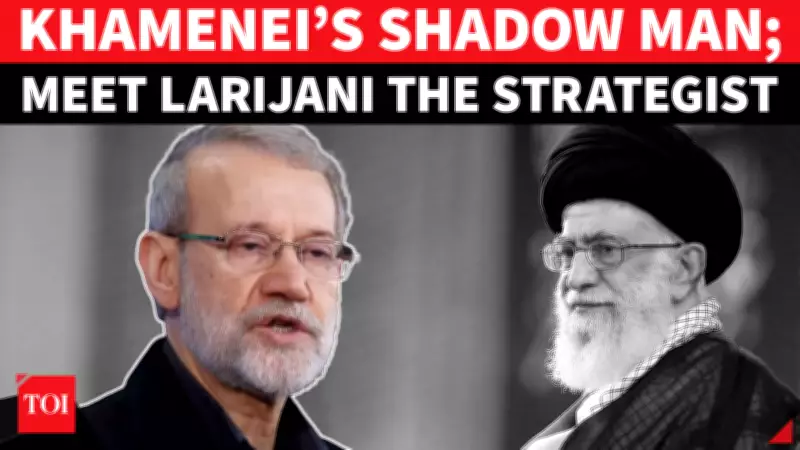
From Nuclear Negotiator to War Strategist: Ali Larijani's Pivotal Role in Iran's Escalating Conflict
In a dramatic shift that underscores the volatile state of Middle Eastern geopolitics, Ali Larijani, a key figure in Iran's political and security apparatus, has emerged as the central architect of Tehran's aggressive response following the assassination of Supreme Leader Ali Khamenei. Once renowned for his pragmatic approach as a nuclear negotiator, Larijani now serves as the secretary of Iran's Supreme National Security Council, where he has issued stark warnings of unprecedented retaliation against the United States and Israel.
A Transformation Marked by Vengeance and Strategic Shifts
Larijani's journey from a philosopher and diplomat to a hardened war strategist represents a defining moment in the region's escalating tensions. With deep roots in Iran's revolutionary elite, including ties to the 2015 nuclear deal, his current stance marks a complete departure from past negotiations. He has explicitly rejected any fresh diplomatic talks, instead vowing to "burn their hearts" through direct military actions.
In his recent declarations, Larijani has outlined plans for strikes on US-linked bases across the Middle East, signaling a bold and confrontational strategy. This shift is not merely rhetorical; it reflects a broader hardening of Iran's foreign policy in the wake of Khamenei's killing, which has galvanized the nation's leadership toward a path of vengeance.

The Escalating Conflict and Regional Implications
The situation has rapidly deteriorated, with Iran already demonstrating its military capabilities through shows of force, such as the deployment of hypersonic missiles. Reports indicate that Tehran's threats are being backed by actions, including missile bombardments targeting cities like Tel Aviv and Jerusalem, and attacks on US assets in the Gulf region.
This aggressive posture has sparked widespread concern, leading to advisories for Americans to evacuate multiple countries and triggering international probes into potential terror links. The conflict's ripple effects are evident, with incidents like the storming of a US consulate in Pakistan and increased air attacks further complicating the geopolitical landscape.
Larijani's Background and the Path Forward
Ali Larijani's background as a former speaker of Iran's parliament and a key negotiator in nuclear discussions provides him with a unique blend of political insight and strategic acumen. His transformation underscores how internal and external pressures, such as the loss of Khamenei, can reshape political figures and national policies overnight.
As the Middle East teeters on the brink of a larger conflict, Larijani's leadership in Iran's security council positions him at the forefront of decisions that could dictate the region's future. The international community watches closely, aware that his vows of retaliation could escalate into a full-scale confrontation, with profound implications for global stability.
In summary, Ali Larijani's evolution from a diplomatic negotiator to a war strategist highlights a critical juncture in Iran-US-Israel relations, marked by threats of severe military action and a rejection of peaceful dialogue, setting the stage for potentially devastating outcomes in an already turbulent region.






