Iran's Streets Echo with Growing Public Anger as Regime's Grip Weakens
Iran's urban landscapes have transformed into visible records of national discontent. A fresh wave of protests started in late December 2025. The immediate cause was familiar to many Iranians. Currency values plummeted while consumer prices surged beyond wage increases. Tehran's shopkeepers felt this economic shock first. Their frustration quickly spread from marketplaces to residential areas.
From Capital to Provinces: A Nationwide Movement Emerges
Discontent traveled from Iran's capital to provincial towns. Daily rhythms now include the sounds of protest. People beat drums and bang pots as expressions of defiance. These actions have become regular features of Iranian life. Rights monitoring groups report numerous casualties and mass arrests. However, government restrictions on communications make accurate verification difficult in real time.
Public demonstrations have become predictable events in Iran's political cycle. They reappear whenever citizens perceive a widening gap between official promises and actual permissions. The 2009 Green Movement demonstrated how electoral hopes can rapidly become security concerns. The 2019 fuel price protests showed how economic distress transforms into political anger.

The 2022 uprising following Mahsa Amini's death placed personal dignity at the center of political discourse. Each protest wave ended with government suppression. Each also left citizens with clearer understanding of political boundaries.
A New Vocabulary of Courage and Solidarity
Current protests feature distinctive chants and slogans. One phrase echoes across multiple cities: "Don't be afraid, don't be afraid, we are all together." This represents less an ideological statement than an expression of collective courage. It helps maintain unity among protesters who might otherwise feel isolated.
The slogan signals important changes in political agency. Iranian citizens no longer wait for authorized representatives to voice their concerns. They communicate directly with each other and maintain their presence in public spaces.
Official Responses and Their Limitations
Government narratives continue blaming external forces. President Masoud Pezeshkian has referenced "terrorists" and foreign orchestrators. He has urged families to keep young people off streets while promising governmental attention to economic difficulties.
Supreme Leader Ali Khamenei employs language describing protesters as vandals and saboteurs. This labeling serves specific functions. It transforms citizens into suspects and redefines demands for improvement as security threats.
Through this approach, the regime avoids confronting difficult realities. These include economic deterioration under its management and extensive moral supervision of citizens' lives.
Understanding Iran's Political Structure
To comprehend recurring public anger, we must examine Iran's governing system. The country functions as a tutelary democracy. Elections occur under clerical supervision that choreographs participation.
The regime has developed ritualized republicanism. Voting becomes performance of consent rather than mechanism for accountability. Managed pluralism allows competition within narrow parameters, then further restricts participation through candidate disqualification.
This creates post-reformist fatigue among citizens. Disenchantment grows regarding available candidates and electoral theater that offers limited choices while calling them representation.
Enduring Symbols and New Political Expressions
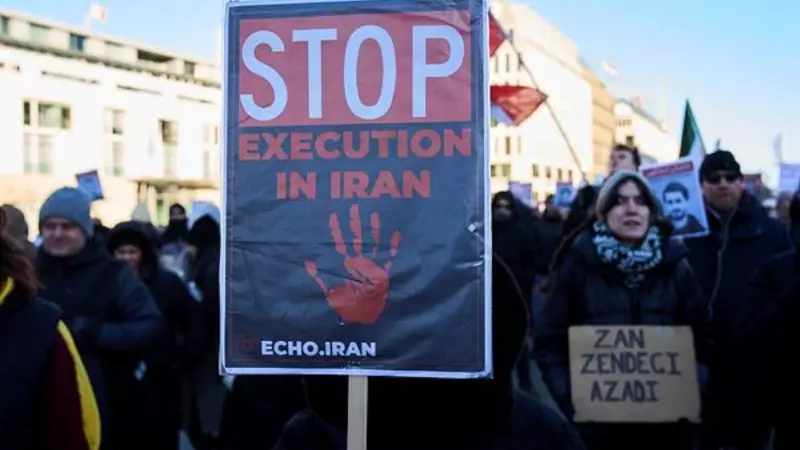
Within this exhausted political space, the phrase "Zan, Zendegi, Azadi" (women, life, freedom) retains powerful resonance. It represents collective separation of gendered authority from claims of divine legitimacy. The mandatory veil has operated as symbolic obedience, a daily demonstration of acquiescence that the state has weaponized.
Current protests show diminishing fear among citizens. Refusal extends beyond any single issue. Another chant clarifies political priorities: "Neither Gaza nor Lebanon, I sacrifice my life for Iran." Citizens reject being represented through the regime's regional policies.

The struggle centers on lived deprivation and political exclusion. Protesters demand renegotiation of the domestic social contract that has governed since the 1979 revolution. Iranian citizens speak with first-person clarity that cuts through externally produced slogans.
Government Countermeasures and Their Effectiveness
Reports indicate nationwide internet shutdowns. Connectivity has been reduced to near blackout levels. Authorities aim to disrupt coordination and isolate communities. Security forces have responded with familiar tactics of suppression.
The government retains its repressive machinery and has used it repeatedly. However, force cannot restore legitimacy that continues eroding. Political change may develop slowly, but one transformation appears irreversible: the lifting of fear that previously passed for obedience.
This shift manifests in determined public presence. From street gatherings to balcony drumming and shuttered shops, changes extend beyond Tehran. Scripted acquiescence is losing its hold on Iranian society.