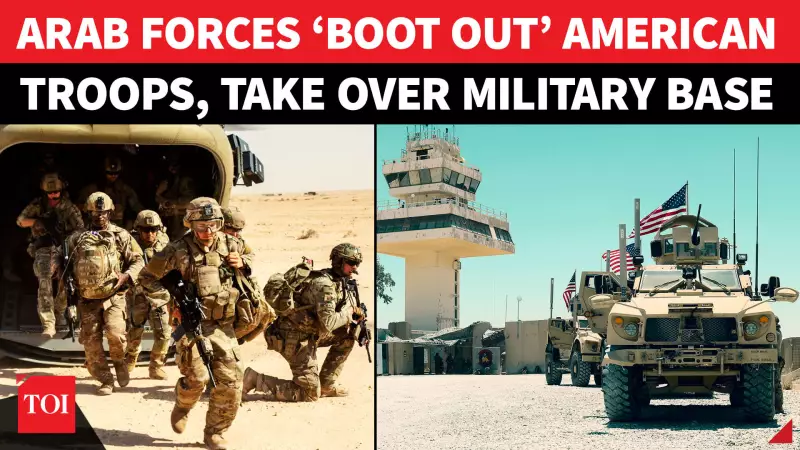
In a significant development for Middle East geopolitics, United States military personnel have officially exited the Ain Al-Asad airbase in Iraq. Arab forces, specifically the Iraqi army, now exercise full control over this strategic facility. This transition represents a major shift in the American military presence across the region.
A Strategic Handover
The withdrawal process concluded recently, with Iraqi military leadership overseeing the final stages. Ain Al-Asad airbase served as a crucial hub for U.S.-led coalition operations targeting the Islamic State for many years. Under a broader bilateral agreement, the United States committed to winding down its military footprint within Iraq. The handover of this base fulfills a key part of that arrangement.
Implications for Iraqi Sovereignty
Iraqi officials have welcomed the move, framing it as a vital step toward full national sovereignty. With command of the base, Baghdad gains authority over a strategically located asset in Anbar Province. Military leaders are already calling for enhanced coordination and optimal utilization of the facility's capabilities. This control allows Iraq to independently manage its airspace and defense operations in the western region.

The change carries profound implications for local and regional security. Analysts suggest that a reduced U.S. ground presence could alter the dynamics on the ground. It may weaken the operational justifications cited by various non-state armed groups active in the area. Furthermore, this development signals a new, potentially more independent, phase in the relationship between the United States and Iraq.
Regional Tensions and Future Outlook
This withdrawal occurs against a backdrop of ongoing regional tensions. Neighboring conflicts involving Syria and Iran continue to influence the security landscape. The realignment of forces at Ain Al-Asad is being closely watched by regional powers. It remains to be seen how Iraq will deploy its resources to maintain stability without direct U.S. military support at the base.
The Iraqi army has expressed confidence in its ability to secure the facility and its surroundings. Training and equipment provided during the coalition partnership are expected to aid in this endeavor. The full consequences of this strategic handover will unfold in the coming months, potentially reshaping security protocols and international partnerships in the Middle East.