

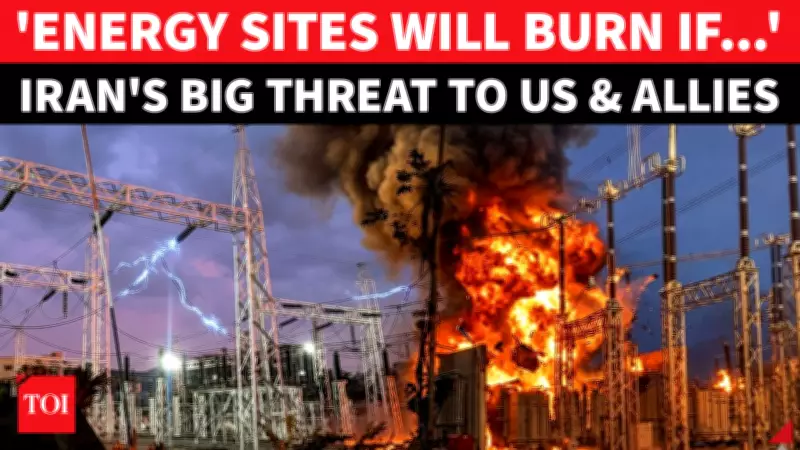
IRGC Issues Stark Warning Over Potential Attacks on Iranian Energy Infrastructure
Iran's Islamic Revolutionary Guard Corps has delivered a chilling and dramatic warning that any assault on the nation's energy infrastructure or ports will trigger devastating retaliation. The IRGC explicitly stated it could set regional oil and gas facilities ablaze, directly threatening energy networks linked to the United States and its allies.
Escalating Tensions in the Strait of Hormuz
This stark warning emerges against a backdrop of heightened conflict, where missile and drone attacks on cargo ships have severely disrupted shipping operations in the critical Strait of Hormuz. The strategic waterway, a vital artery for global oil transport, has become a focal point of escalating military tensions.
Global oil markets have reacted sharply to the rising instability, with prices surging above $100 per barrel. Financial analysts report significant volatility as traders respond to the potential for broader regional conflict that could severely constrain global energy supplies.

Broader Threats to Regional Stability
Iranian officials have expanded their warnings beyond direct energy targets, suggesting the entire region could face massive blackouts if Iran's power grid comes under attack. This represents a significant escalation in rhetoric, indicating Tehran's willingness to target civilian infrastructure in any retaliatory measures.
The timing of these threats coincides with multiple regional security developments, including:
- Increased military activity by Iranian-backed groups
- Growing international concern over freedom of navigation in key waterways
- Heightened diplomatic tensions between Iran and Western nations
Economic and Strategic Implications
The IRGC's warning carries profound implications for global energy security and regional stability. With approximately one-fifth of the world's oil passing through the Strait of Hormuz, any sustained disruption could trigger:
- Severe supply chain disruptions for energy-dependent economies
- Further inflationary pressure on global markets
- Potential military escalation involving multiple regional actors
International observers are closely monitoring the situation, concerned that miscalculation or accidental escalation could lead to broader conflict. The explicit nature of Iran's threats represents a significant hardening of its defensive posture regarding its critical energy assets.






