

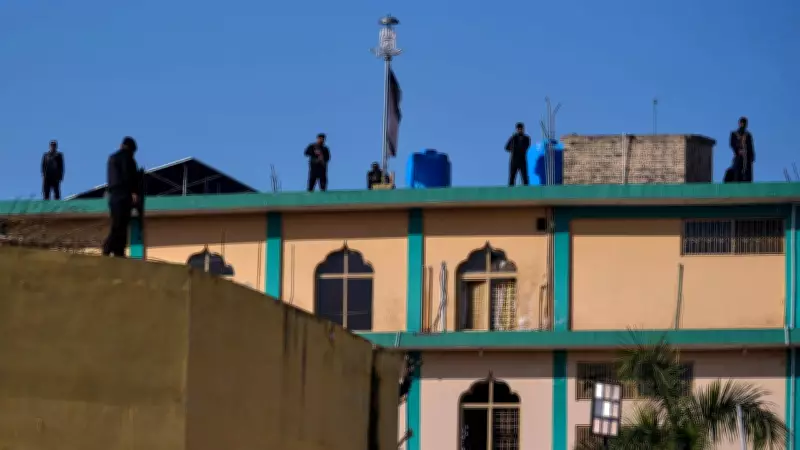
ISIS Claims Responsibility for Deadly Islamabad Mosque Blast, Toll Rises to 36
Global terror outfit Islamic State has officially claimed responsibility for the devastating blast at a Shia mosque in Islamabad, which resulted in over three dozen casualties on Friday. According to a PTI report, the death toll climbed to 36 on Saturday as some critically injured individuals succumbed to their wounds in hospitals.
ISIS Issues Call to Lashkar-e-Taiba in Al-Naba Publication
In a significant development that has captured the attention of the Indian security establishment, the Islamic State used its latest al-Naba issue to urge members of Lashkar-e-Taiba (LeT) to defect and align with the Islamic State in Khorasan Province (ISKP). This provocative call underscores the evolving dynamics within militant groups in the region.
Details of the Attack and Conflicting Casualty Figures
The claim regarding the mosque blast was disseminated through ISIS central's mouthpiece, Amaq, which described the assault as a Fidayeen operation executed by a soldier of the Islamic State in Pakistan Province (ISPP), a faction active since 2019, within the mosque compound. Amaq asserted over 200 casualties, starkly contrasting with the official Pakistani government admission of 36 deaths and numerous injuries.

The suicide bomber was identified by Amaq as Saifullah Ansari. The ISIS mouthpiece also posted his photograph taking the bayah, or oath of allegiance. Additionally, the statement noted that hundreds of Pakistani Shias have joined the pro-Iran 'Zaynabiyoun brigade' militia in Syria, highlighting transnational sectarian affiliations.
Official Denial and Historical Context of the Blast
This claim by Amaq followed an official denial from Tehreek-e-Taliban Pakistan (TTP), which strongly rebutted any involvement in the incident. The explosion, which occurred during prayers at the Khadijatul Kubra mosque in the Tarlai area, marks the deadliest attack in Islamabad since the 2008 Marriott hotel bombing.
The blast coincided with the visit of Uzbek President Shavkat Mirziyoyev to Pakistan, adding a layer of geopolitical complexity. Security analysts view the attack as a manifestation of escalating sectarian tensions within the country, which have been simmering for years.
Previous ISIS Claims and Regional Implications
Earlier in January, ISKP had claimed responsibility for a blast in the Bajaur district that killed a senior Lashkar commander named Najibullah. This pattern of claims suggests a strategic effort by ISIS to assert dominance and recruit from other militant organizations, potentially destabilizing regional security further.
The incident underscores the persistent threat of terrorism in South Asia and the intricate web of alliances and rivalries among extremist groups. Authorities are closely monitoring the situation as investigations continue into the motives and broader implications of this tragic event.






