

Israeli Officials Assert US Had Prior Knowledge of Iran Gas Field Strike
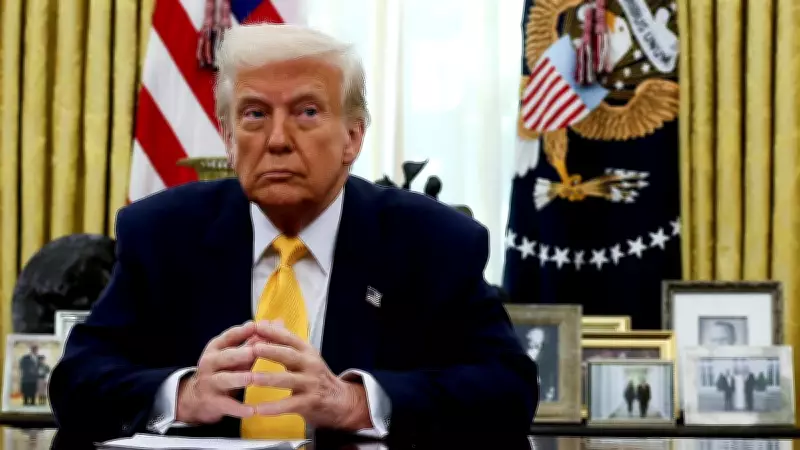
In a significant development that contradicts recent political statements, Israeli officials have stated that the United States was fully aware of the military strike targeting Iran's South Pars gas field. This revelation comes despite public remarks from former President Donald Trump suggesting otherwise, highlighting a potential disconnect in the narrative surrounding the escalating conflict in the region.
Attack Triggers Widespread Iranian Retaliation
The assault on the South Pars gas field, a critical energy asset for Iran, provoked an immediate and forceful response from Iranian forces. In retaliation, Iran launched a comprehensive aerial assault targeting energy infrastructure not only in Qatar but also across various locations throughout the Middle East. This counterattack represents the most substantial escalation to date in the ongoing covert and overt war between the United States, Israel, and Iran.
The South Pars gas field is one of the world's largest natural gas reserves, and its targeting has severe implications for regional energy security and geopolitical stability. The Iranian response, described by analysts as unprecedented in scale, involved coordinated strikes on multiple facilities, causing significant damage and raising fears of a broader regional conflict.

Contradictory Narratives from US and Israeli Sources
Israeli military and intelligence sources have insisted that standard protocols for coordination with American counterparts were followed prior to the strike. "There was clear and established communication regarding the operational parameters," one official stated anonymously. This stands in stark contrast to comments made by Donald Trump, who implied a lack of US foreknowledge or approval of the Israeli action.
The discrepancy has fueled speculation about the current state of US-Israeli intelligence sharing and strategic alignment. Experts note that such public disagreements between close allies are rare and could indicate underlying tensions or differing tactical approaches to containing Iranian influence in the Middle East.
Regional Fallout and International Concerns
The escalation has sent shockwaves through the international community, with several key developments:
- Energy Markets: Global oil and gas prices have surged due to concerns over supply disruptions from the Middle East.
- Diplomatic Reactions: Nations across Europe and Asia have called for immediate de-escalation and renewed diplomatic efforts.
- Security Implications: The attacks have heightened security alerts for energy infrastructure throughout the Gulf region.
- Humanitarian Impact: There are growing concerns about potential civilian casualties and displacement if hostilities continue to expand.
This incident underscores the fragile nature of security in the Middle East and the complex web of alliances and enmities that define the region. As both sides assess the damage and consider next steps, the international community watches anxiously, hoping to avoid a full-scale war that could have devastating global consequences.






