

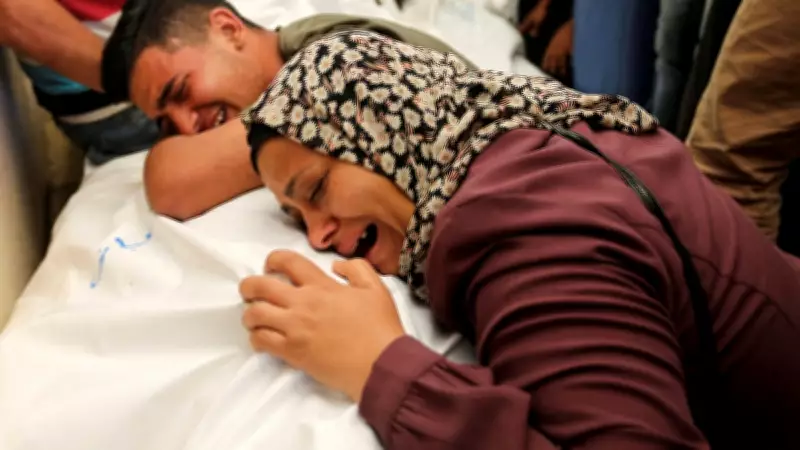
Israeli Military Operations Result in 18 Fatalities in Gaza Strip
Recent Israeli airstrikes and ground operations in the Gaza Strip have led to the tragic loss of 18 lives, according to reports from the region. The attacks targeted various locations, exacerbating the already dire humanitarian situation in the densely populated area. This escalation comes amid heightened tensions between Israeli forces and Palestinian groups, with civilians often caught in the crossfire.
Rafah Border Crossing for Patient Transfaces Abrupt Suspension
In a significant development, the Rafah border crossing, which serves as a critical gateway for patient transfers and medical evacuations from Gaza to Egypt and beyond, has been halted. This suspension disrupts essential healthcare services for injured and ill individuals who rely on this route for specialized treatment unavailable in Gaza due to longstanding blockades and resource constraints.
Ceasefire Agreement and Reopening Requirements Under Scrutiny
The reopening of the Rafah crossing was a key stipulation under the October ceasefire agreement, which outlined the initial phase of a peace plan proposed by former U.S. President Donald Trump. This plan aimed to de-escalate hostilities between Israel and Palestinian Hamas militants, but the current suspension raises questions about the implementation and sustainability of such diplomatic efforts.

Humanitarian Impact and International Response
The combined effects of the strikes and crossing suspension have drawn concern from international observers and aid organizations. They warn of a worsening crisis, with limited access to medical care, food, and supplies potentially leading to more casualties and suffering among Gaza's population. Calls for immediate action to restore crossings and ensure civilian protection are growing louder in global forums.
Ongoing Challenges in the Region
This incident underscores the persistent volatility in the Israeli-Palestinian conflict, where ceasefires often prove fragile. The involvement of external actors, like the U.S., in mediation efforts highlights the complex geopolitical dynamics at play. As of early February 2026, the situation remains fluid, with no clear timeline for resuming patient crossings or achieving lasting peace.






