Night Temperatures Show Unusual Increase Across Kashmir Valley
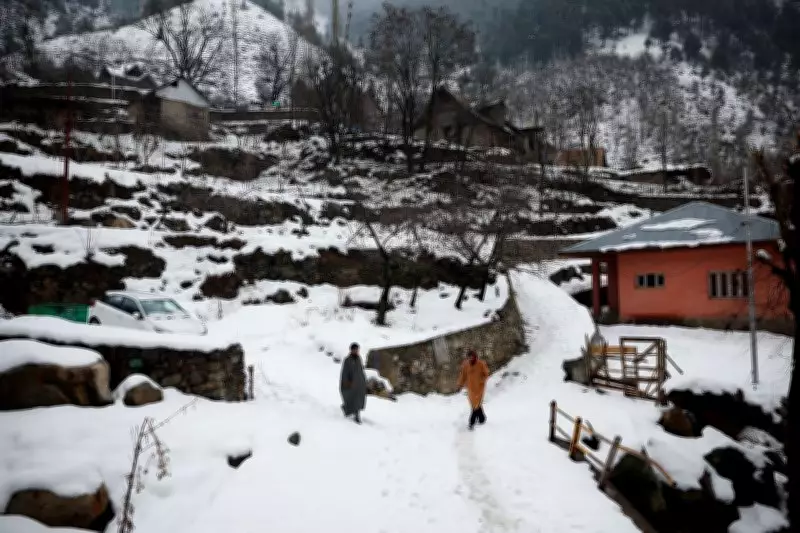
In a notable meteorological development, night temperatures across the Kashmir region have registered an unusual rise, with Srinagar, the summer capital of Jammu and Kashmir, recording a minimum temperature of 2.8 degrees Celsius. This shift in weather patterns has drawn attention from both residents and weather experts, as it marks a significant departure from the typically colder winter lows experienced in the valley during this time of year.
Srinagar Leads the Temperature Uptick
The meteorological data from Srinagar indicates a clear warming trend, with the city's night temperature reaching 2.8°C. This reading is considerably higher than the historical averages for the region, which often see temperatures dipping well below freezing point during winter nights. The rise in temperatures has been observed consistently over recent days, suggesting a broader climatic anomaly rather than an isolated event.
Impact on Local Climate and Daily Life
The increase in night temperatures is likely to have several implications for the local environment and daily activities in Kashmir. Warmer nights could potentially affect agricultural cycles, particularly for crops that rely on specific temperature ranges for growth and dormancy. Additionally, residents may experience changes in heating requirements and energy consumption, as the need for intense heating during the night diminishes.

Weather experts are closely monitoring this trend to determine whether it is part of a larger climatic shift or a temporary fluctuation. The rise in temperatures has also sparked discussions about the potential long-term effects on the region's famous winter tourism, which often depends on cold weather and snowfall.
Comparative Analysis with Other Regions
While Srinagar has recorded 2.8°C, other parts of Kashmir have also shown similar increases in night temperatures. This widespread warming suggests that the phenomenon is not limited to urban areas but extends across the valley. The data highlights a contrast with previous years, where temperatures at this time would typically be much lower, often leading to frost and icy conditions.
The reasons behind this temperature rise are multifaceted and may include factors such as:
- Changes in atmospheric pressure patterns
- Reduced cloud cover allowing for more heat retention
- Potential influences from broader climate change trends
Future Outlook and Preparedness
As night temperatures continue to rise, authorities and residents in Kashmir are advised to stay informed about weather updates and adjust their activities accordingly. Farmers and horticulturists should consider the impact on their crops, while tourists planning winter visits might need to recalibrate their expectations regarding weather conditions.
The meteorological department is expected to release further data and analysis in the coming days to provide a clearer picture of whether this warming trend will persist or revert to more typical winter patterns. In the meantime, the unusual temperature rise serves as a reminder of the dynamic and sometimes unpredictable nature of weather in mountainous regions like Kashmir.