Kashmir Solidarity Day Labelled a Cover for PoJK Atrocities by Activist Amjad Ayub Mirza
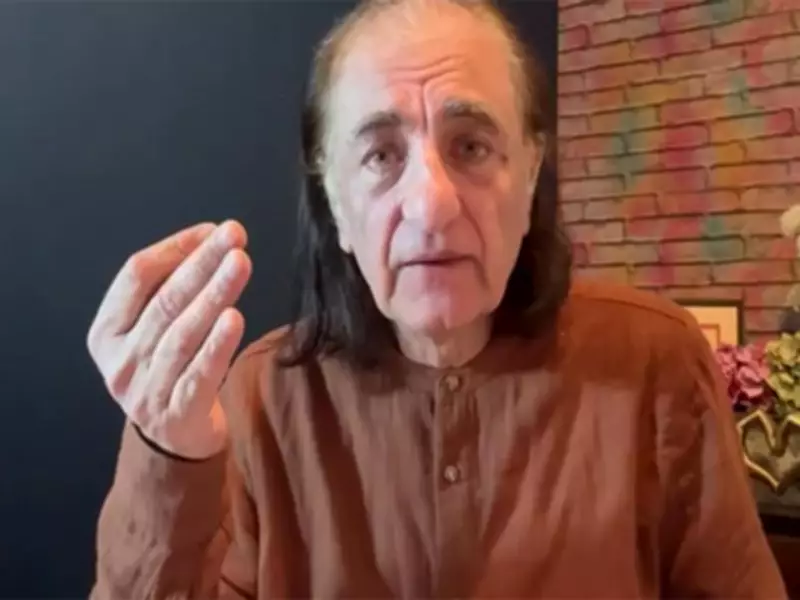
In a stark revelation, prominent activist Amjad Ayub Mirza has denounced Kashmir Solidarity Day, an annual event observed in Pakistan, as a mere facade designed to conceal the severe atrocities and human rights violations occurring in Pakistan-occupied Jammu and Kashmir (PoJK). His statements have ignited a fresh debate on the international stage, urging a closer examination of the ground realities in the region.
The Alleged Cover-Up of Human Rights Abuses
According to Mirza, Kashmir Solidarity Day, which is marked with rallies and speeches in Pakistan, serves as a strategic distraction from the ongoing oppression faced by the people in PoJK. He emphasizes that while the day is portrayed as a show of support for Kashmiris, it effectively masks the systemic injustices, including political suppression, economic deprivation, and violent crackdowns on dissent.
Mirza points out that the event is often used to propagate a one-sided narrative, ignoring the plight of those living under Pakistani control. He argues that the international community must look beyond the symbolic gestures and address the concrete issues of human rights violations in PoJK.

Details of Atrocities in Pakistan-Occupied Jammu and Kashmir
Amjad Ayub Mirza provides a detailed account of the atrocities in PoJK, highlighting several key areas of concern:
- Political Repression: Local leaders and activists who advocate for rights or autonomy face intimidation, arrests, and even disappearances, stifling any form of democratic expression.
- Economic Exploitation: Resources from PoJK are allegedly exploited without fair benefits to the local population, leading to widespread poverty and lack of development.
- Violence and Militarization: There are reports of excessive use of force by security forces, resulting in civilian casualties and a climate of fear among residents.
- Cultural Suppression: Efforts to erase the distinct cultural identity of the region through policies that marginalize local languages and traditions.
These points underscore Mirza's claim that Kashmir Solidarity Day is a hypocritical exercise, as it fails to acknowledge or address these critical issues within PoJK.
Call for International Scrutiny and Action
Mirza's critique extends beyond mere condemnation; he calls for robust international intervention. He urges global human rights organizations, governments, and media outlets to investigate the conditions in PoJK independently and hold accountable those responsible for the atrocities.
He stresses that without such scrutiny, events like Kashmir Solidarity Day will continue to serve as a smokescreen, allowing abuses to persist unchecked. Mirza advocates for a more balanced approach to the Kashmir issue, one that considers the suffering on both sides of the Line of Control and works towards a just resolution.
Broader Implications for Regional Stability
The activist's statements have significant implications for regional politics and diplomacy. By highlighting the discrepancies in Pakistan's stance on Kashmir, Mirza challenges the narrative often presented in international forums. This could potentially influence discussions on Kashmir in bodies like the United Nations, prompting a reevaluation of policies and aid.
Moreover, his revelations may galvanize support among diaspora communities and human rights advocates worldwide, increasing pressure on Pakistan to address the grievances in PoJK. As tensions in the region remain high, such disclosures add a layer of complexity to the ongoing conflict, emphasizing the need for transparency and accountability.
In conclusion, Amjad Ayub Mirza's bold assertion that Kashmir Solidarity Day is a cover-up for atrocities in PoJK sheds light on a critical aspect of the Kashmir dispute. It calls for a more nuanced understanding and proactive measures to ensure human rights are upheld across the entire region, moving beyond symbolic gestures to substantive action.