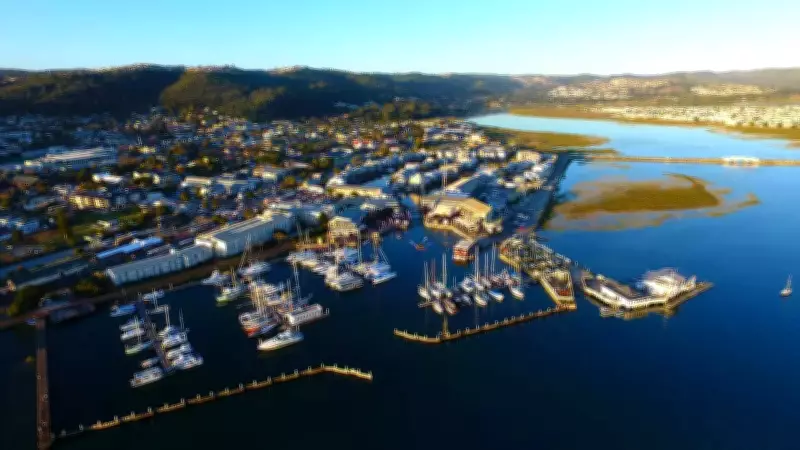
Knysna's Water Crisis: South Africa's Tourist Haven Nears 'Day Zero'
Renowned globally for its tranquil lagoon, dense forests, and stunning coastline along the famous Garden Route, Knysna in South Africa attracts thousands of visitors annually. Tourists flock to enjoy its pristine beaches, abundant wildlife, and relaxed coastal lifestyle. Tourism serves as the primary economic engine for the local population. However, beneath this idyllic facade, Knysna confronts one of its most severe challenges in recent memory: an escalating water crisis that threatens the very foundation of the community.
Declaring a State of Disaster
Local authorities have officially declared a state of disaster as water supplies dwindle alarmingly. Reports indicate the main storage reservoir, Akkerkloof Dam, currently holds only approximately twenty days' worth of water. Compounding this scarcity, more than fifty-five percent of the town's treated drinking water is lost due to leaking and damaged pipelines. This inefficiency means the limited available water fails to reach households and businesses reliably.
With a population nearing one hundred thousand, Knysna is rapidly approaching what officials term "day zero"—the point when municipal taps could run completely dry. The crisis is already impacting healthcare services, the vital tourism sector, daily routines, and vulnerable communities. It also underscores broader systemic issues plaguing water infrastructure across South Africa.

Understanding the Roots of the Crisis
Shrinking Water Reserves: Knysna's water security heavily relies on the Akkerkloof Dam. Recent months have seen a dramatic decline in its water levels, exacerbated by prolonged dry weather patterns and significantly reduced rainfall, which have limited natural replenishment. Current reserves are critically low, leaving minimal margin for error. Any technical failure, delayed repair, or unexpected surge in demand could precipitate a complete system collapse.
Unlike larger metropolitan areas, Knysna lacks substantial backup water sources, rendering the town exceptionally vulnerable when its primary supply diminishes.
Failing Infrastructure: A paramount issue is the massive water loss through aging and poorly maintained infrastructure. Approximately fifty-five percent of clean, treated water vanishes before reaching consumers due to old, cracked pipes. Many of these pipelines were installed decades ago and have deteriorated from corrosion, ground shifts, and prolonged neglect of repairs.
Mayor Thando Matika acknowledged that maintenance has been overlooked for years, with previous administrations citing budgetary constraints. This chronic underinvestment has led to a dire emergency, even causing previously drilled boreholes from 2009 to malfunction.
Daily Life Disrupted by Water Shortages
Retirement Home Left Without Water: A stark illustration of the crisis occurred in October when a Knysna retirement centre endured ten days without water due to a municipal plant malfunction. The owner, Franco de Grandis, was compelled to invest 250,000 South African rand in a backup system, highlighting the critical need for water in hygiene, medical care, and daily comfort for elderly residents.
Households Struggling to Cope: Many residents now depend on water tanks, private boreholes, or municipal tankers. Authorities have imposed strict water restrictions, limiting usage to fifty litres per person daily—a stark contrast to the average 142 litres used daily in the United Kingdom. Activities like garden watering, pool filling, and boat washing with municipal water are prohibited, forcing families to adopt stringent conservation habits.
Emergency Aid and Community Dependence
The non-governmental organization Gift of the Givers has intervened, drilling private boreholes and delivering thousands of litres of water daily to those unable to afford private solutions. While this aid is crucial, it is intended as a temporary measure, not a long-term replacement for a functional public water system. In some neighbourhoods, waiting for water trucks has become a daily routine, creating a tiring and unreliable dependence that masks deeper structural deficiencies.

Threat to Knysna's Tourism Economy
Tourism is central to Knysna's economy, supporting hotels, restaurants, tour operators, and retail. The looming spectre of "day zero" risks deterring visitors, potentially devastating local livelihoods. Tourism officials, led by Elmay Bouwer of the Great Knysna Business Council, strive to balance transparency with reassurance, promoting water conservation while ensuring tourists that basic services remain available.
Broader National Water Challenges
Knysna's predicament is not isolated. Experts like Dr. Ferial Adam of Watercan note that millions of South Africans already experience daily water shortages, with about half the population lacking reliable home water access. Climate change, characterized by rising temperatures and erratic rainfall, exacerbates these issues, while aging national infrastructure requires consistent maintenance and investment.
In poorer areas such as Khayalethu township, water shortages have long been commonplace, disproportionately affecting vulnerable groups like the elderly and disabled. Economic disparities mean wealthier households can invest in private water solutions, while poorer families endure significant hardship.
Government Response and Long-Term Solutions
The national government has allocated approximately $1.25 million in emergency funding to Knysna for urgent repairs and temporary measures. Local authorities are pursuing several projects to bolster supply, including repairing existing boreholes, rehabilitating a desalination plant, drilling new boreholes, and implementing water recycling systems. Long-term plans involve constructing an additional dam and installing accurate water meters to detect leaks and monitor usage.
Experts emphasize that sustained investment in maintenance, regular infrastructure checks, and improved management systems are essential to prevent future crises. Knysna's situation serves as a critical warning for other South African towns facing similar pressures from aging infrastructure, limited budgets, and climate variability.
Ultimately, Knysna's water crisis transcends local boundaries, highlighting a national imperative to address water security comprehensively and equitably.