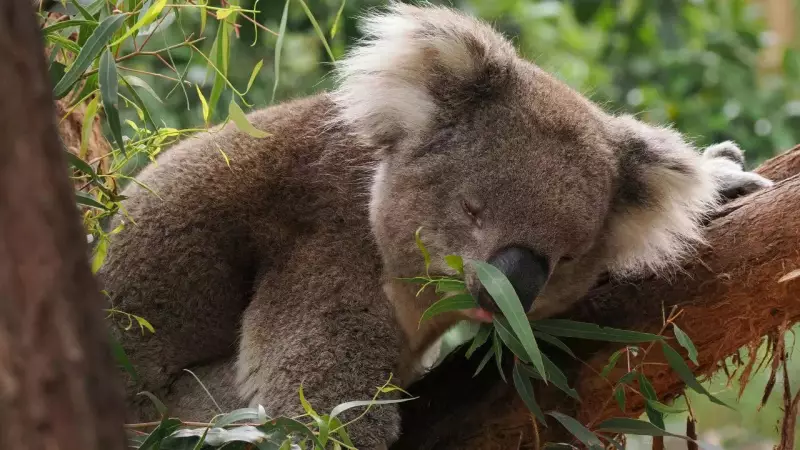
Koalas clinging to tree trunks create some of the internet's most adorable images. However, this behavior represents far more than simple cuteness. It is a deeply rooted survival strategy honed through evolution. In their natural eucalyptus forest habitats, koalas spend most of their day resting high in the trees. These trees serve as their complete life support system, providing shelter, temperature regulation, and defense against threats.
Tree Hugging as a Cooling Mechanism
Koalas actively hug trees to regulate their body temperature. During hot weather, tree trunks, particularly those of eucalyptus species, remain significantly cooler than the surrounding air. By pressing their bodies against these cooler surfaces, koalas effectively dissipate excess heat. This behavior reduces their need to pant or move around, conserving precious water and energy reserves.
A scientific study titled "Tree-hugging koalas demonstrate a novel thermoregulatory mechanism for arboreal mammals," published on PubMed Central, documented this phenomenon. Researchers found that koalas wrap themselves around tree trunks specifically to minimize panting and movement. This adaptation becomes increasingly critical as climate change intensifies heatwave frequency and severity. For koalas, effective thermoregulation is literally a matter of life and death.

Trees as Safe Resting Platforms
Koalas sleep an astonishing 18 to 20 hours daily. Trees provide the perfect elevated platforms for these extended rest periods. By firmly grasping trunks and branches, koalas maintain stability and prevent falls during sleep. This elevated position also offers crucial protection from ground-based predators like dogs and foxes.
Even in deep relaxation, their strong grip on the bark keeps them secure. The tree functions simultaneously as both bed and protective shield. This allows koalas to rest safely while remaining vigilant against potential dangers.
Energy Conservation Through Immobility
Koalas follow an extremely low-energy lifestyle dictated by their specialized diet. They consume eucalyptus leaves, which offer limited nutritional value and require substantial energy to digest. To compensate, koalas minimize all unnecessary energy expenditure.
Hugging tree trunks allows them to remain completely immobile for extended periods. By clinging to the bark without active muscle engagement, they conserve energy that would otherwise be spent on maintaining posture. This passive perching perfectly aligns with their slow metabolism and energy-conservation priorities.
Selective Tree Preferences
Koalas demonstrate clear preferences in their tree selection. They are not random tree huggers. They consistently choose trees with specific characteristics: sturdy trunks, smooth bark textures, and naturally cooler temperatures. Certain eucalyptus species are particularly valued, serving dual purposes as both food sources and thermal regulators.
This selective behavior shows how koalas actively seek trees that provide maximum comfort, security, and temperature control. It illustrates their sophisticated adaptation to specific environmental conditions and resources.
Conservation Implications Today
Understanding koala tree-hugging behavior highlights urgent conservation needs. As temperatures rise and habitat areas shrink, the trees koalas depend on for survival are disappearing rapidly. Their tree-hugging habit represents more than an endearing characteristic; it demonstrates the critical importance of preserving eucalyptus forests.
Protecting these forests ensures more than scenic beauty. It safeguards the essential lifestyle of one of Australia's most iconic species. Conservation efforts must prioritize maintaining sufficient tree populations that allow koalas to practice their vital temperature-regulation behaviors, especially as climate challenges intensify.