

Ladakh Lieutenant Governor Mandates Development of 50 Waterbodies to Tackle Water Crisis
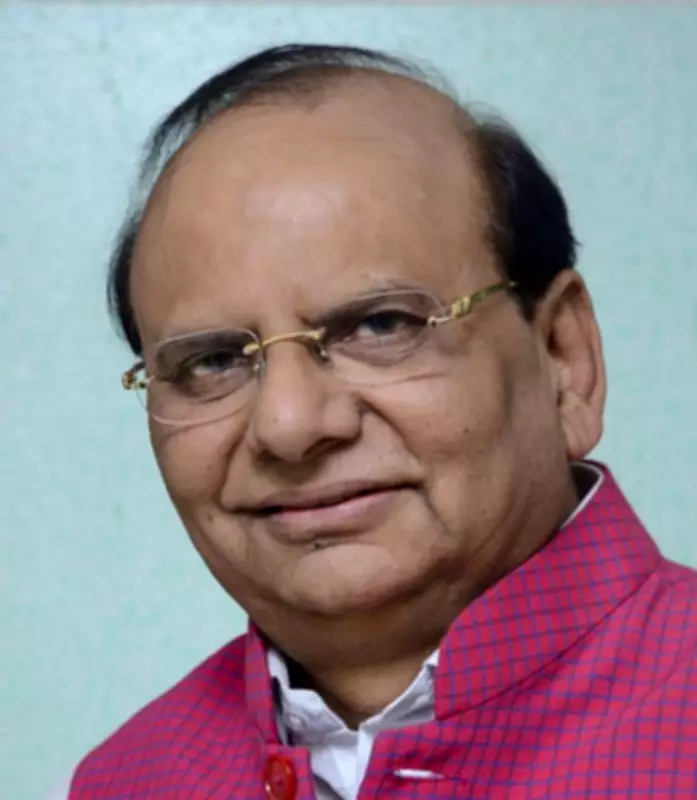
In a significant move to address the pressing water scarcity issues in Ladakh, Lieutenant Governor Vinai Kumar Saxena has issued directives for the creation of at least 50 small water bodies across the Union Territory. During a high-level meeting held on Saturday, Saxena instructed Chief Secretary Ashish Kundra to identify suitable locations and formulate a comprehensive action plan within a strict 15-day timeframe.
Addressing Critical Water Challenges in a Cold Desert Region
The primary objective behind this initiative is to mitigate the severe water-related challenges faced by the residents of Ladakh, particularly the farming community that relies heavily on limited water resources for irrigation. A government spokesperson emphasized that these water bodies will serve as a readily available and reliable source of water, thereby bolstering agricultural activities in this high-altitude cold desert.
L-G Saxena highlighted that the development of these water bodies is not merely an infrastructural project but a crucial step towards sustainable water management. He pointed out that Ladakh is increasingly experiencing the adverse effects of climate change, including decreasing snowfall, receding glaciers, rising temperatures, and depletion of the water table. These factors collectively pose serious threats to water availability for the local inhabitants.

Multifaceted Benefits: From Irrigation to Winter Sports
The proposed water bodies are designed to offer a range of benefits beyond irrigation. They will be utilized to conserve rainwater and melting snow, which currently goes to waste annually. Furthermore, during the winter months, when these water bodies freeze, they could be repurposed for organizing winter sports, adding a recreational dimension to the project.
Saxena has also directed the Chief Secretary to incorporate provisions for recreational and public amenities around the water bodies. This includes the development of parking spaces and eateries, aiming to enhance community engagement and tourism potential.
A Holistic and Scientifically Designed Approach
The Lieutenant Governor stressed the importance of a holistic and scientifically designed plan that takes into account the unique geographical and climatic conditions of Ladakh. This approach ensures that the water bodies effectively serve both agricultural needs and broader community requirements, thereby strengthening local livelihoods and sustainability.
By adopting such sustainable water management practices, the initiative aims to mitigate the impact of climate change and secure long-term water security for the people of Ladakh. The project will be developed in consultation with local communities, ensuring that it aligns with their needs and fosters a sense of ownership.
This directive underscores the administration's commitment to addressing environmental challenges and supporting the agrarian economy in one of India's most ecologically sensitive regions.






