

Maharashtra Forest Department Captures 250 Leopards as Population Surges Fourfold
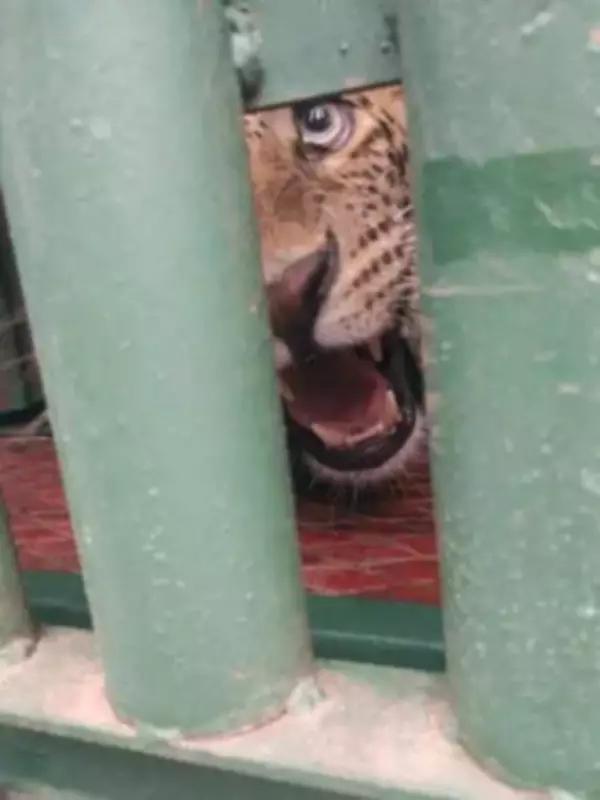
In response to escalating concerns over wild animal attacks and a significant increase in leopard numbers across Maharashtra, State Forest Minister Ganesh Naik has disclosed that the forest department has successfully captured 250 leopards to date. These animals have been relocated to secure and protected habitats to mitigate human-wildlife conflict.
Minister Addresses Media at Janata Darbar in Thane
Ganesh Naik made this crucial announcement during his Janata Darbar held in Thane city on Thursday, where he engaged with the media and addressed public inquiries. The minister highlighted that the leopard population in the state has experienced a dramatic fourfold rise over the past seven to eight years, posing new challenges for wildlife management and community safety.
Key Regions Witnessing Leopard Population Growth
Minister Naik identified specific areas where leopard numbers have notably increased, including Junnar, Ambegaon, Shirur, and Nashik. These regions have reported higher incidences of leopard sightings and encounters, prompting intensified conservation and capture efforts by the forest authorities.

Strategic Plans for Wildlife Tourism and Conservation
To address both conservation needs and promote eco-tourism, the forest department is developing comprehensive plans for wildlife safaris. Naik revealed that leopard safaris will be established in every district of Konkan and western Maharashtra, offering residents and tourists opportunities to observe these majestic creatures in controlled environments.
Additionally, the minister announced that tiger safaris are slated for development in the Vidarbha region, aligning with broader initiatives to enhance wildlife protection and public engagement. Preparatory work for these safari projects is currently in progress, with detailed blueprints being formulated to ensure sustainable implementation.
Balancing Wildlife Conservation with Public Safety
The capture of 250 leopards underscores the forest department's proactive approach to managing the burgeoning leopard population while safeguarding human communities from potential attacks. By relocating captured leopards to safe habitats, the state aims to reduce conflict incidents and preserve ecological balance.
This dual strategy of capture and safari development reflects Maharashtra's commitment to innovative wildlife management, fostering coexistence between humans and leopards through measured interventions and educational tourism initiatives.






