

Maharashtra Environment Department Proposes Stricter Financial Safeguards for Polluting Industries
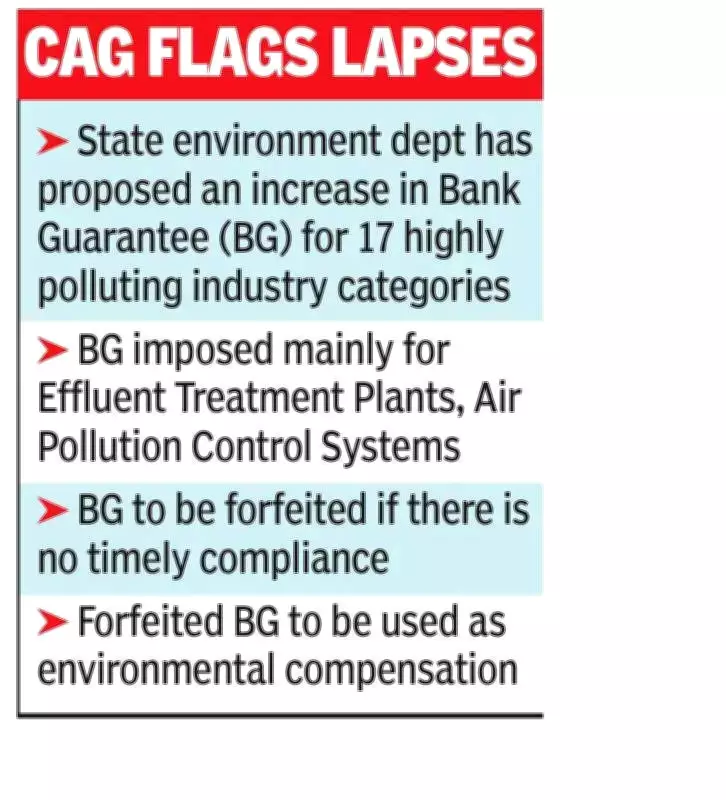
The Maharashtra state environment department has put forward a significant proposal to increase Bank Guarantee (BG) requirements for 17 highly polluting industrial categories. This move aims to strengthen environmental compliance and restoration efforts across the state's industrial landscape.
Enhanced Financial Security for Environmental Protection
Currently, industries are required to submit a Bank Guarantee equivalent to 10% of their project's capital cost. The new proposal suggests increasing this amount, particularly for critically polluted industries, based on their historical environmental performance. This performance-based approach seeks to hold repeat violators more accountable through financial mechanisms.
The department has also proposed incorporating specific remedial measures into the Bank Guarantee framework. This innovative approach would allow forfeited guarantees to be directly utilized for environmental restoration projects, creating a direct link between industrial violations and ecological recovery efforts.

Establishment of Environment Improvement and Compliance Fund
All increased Bank Guarantee amounts will be deposited into a newly created Environment Improvement and Compliance Fund. This dedicated financial pool will serve multiple purposes beyond basic environmental restoration. The fund will support comprehensive monitoring and surveillance systems, public awareness campaigns about industrial pollution, and compliance enhancement activities across Maharashtra's industrial sectors.
CAG Report Reveals Systemic Failures in Pollution Control
This proposal comes in response to a recent Comptroller and Auditor General (CAG) report tabled during the state legislature's budget session. The audit highlighted serious deficiencies in the functioning of the Maharashtra Pollution Control Board (MPCB), raising concerns about environmental oversight throughout the state.
The CAG report revealed that the MPCB cleared 50% of applications for consent to operate from industries after the stipulated 60-day period had expired. Specifically, the board granted 8,273 of 16,424 consents with delays, undermining statutory compliance requirements and weakening environmental monitoring systems.
Widespread Non-Compliance and Monitoring Challenges
Further audit findings exposed that 1,367 hotels and 40 industrial units were operating without mandatory consents from the pollution control board. The report attributed part of this problem to severe manpower shortages that have constrained monitoring capabilities across Maharashtra.
The CAG documented numerous environmental violations, including industries discharging untreated effluents directly into water bodies, operating non-functional effluent treatment plants, and failing to install required online monitoring systems. Effluent samples from key industrial sectors showed parameters such as Biological Oxygen Demand (BOD), Chemical Oxygen Demand (COD), Total Dissolved Solids (TDS), and Suspended Solids (SS) consistently exceeding permissible limits.
Deficiencies in Common Effluent Treatment Systems
The audit report also flagged significant problems with Common Effluent Treatment Plants (CETPs) across the state. Of 12,319 samples collected from 15 CETPs, 5,033 failed to comply with prescribed environmental standards, indicating widespread treatment failures in these shared facilities.
Particularly concerning was the finding that industries were permitted to expand in areas like Taloja in Navi Mumbai despite long-standing non-compliance issues with local CETPs. This expansion occurred in direct violation of National Green Tribunal directions, according to the CAG report.
Financial Management and Enforcement Weaknesses
On financial oversight, the CAG criticized poor enforcement of existing safeguards. The report noted that 2,678 bank guarantees worth Rs 272.47 crore were not obtained in physical form by authorities, rendering them essentially unverifiable and undermining their effectiveness as financial security instruments.

The environment department's new proposal represents a comprehensive response to these audit findings, aiming to create stronger financial incentives for environmental compliance while establishing dedicated funding for restoration and monitoring activities throughout Maharashtra.





