Nobel Peace Prize laureate Malala Yousafzai has spoken out forcefully against what she describes as a decimating of freedoms for Iranian women. Her comments come amid widespread protests in Iran, where women have been at the forefront of demonstrations demanding greater rights and liberties.
Malala's Strong Stance on Iranian Women's Rights
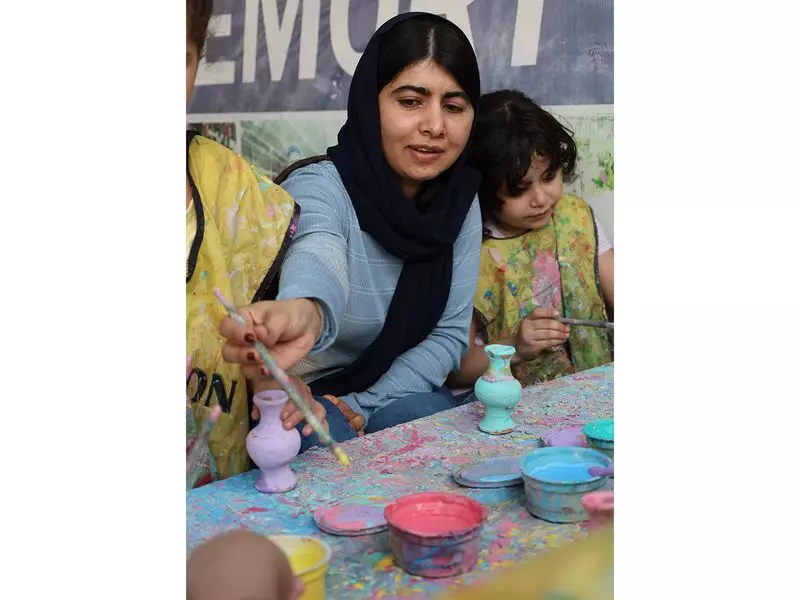
Malala Yousafzai, known globally for her advocacy of girls' education and women's rights, pointed directly at the deteriorating situation in Iran. She emphasized that Iranian women are facing a severe erosion of their basic freedoms. This includes restrictions on personal expression, dress codes, and participation in public life.
Context of the Ongoing Protests
The protests in Iran have gained momentum over recent months, with women playing a central role. They are protesting against mandatory hijab laws and other societal constraints. Many activists and international observers have noted a crackdown on dissent, with reports of arrests and violence against protesters.

Malala's intervention adds a powerful voice to the global conversation. As a Nobel laureate, her words carry significant weight and can help draw more attention to the issue. She has consistently used her platform to support marginalized communities worldwide.
Global Reactions and Implications
International human rights organizations have echoed Malala's concerns. They report that the freedom of Iranian women is under serious threat. The situation has sparked debates about gender equality and human rights in the region.
Malala urged the international community to take notice and support Iranian women in their struggle. She highlighted the importance of solidarity and action to protect fundamental freedoms. Her statement is part of a broader call for justice and equality.
Why This Matters for Global Advocacy
Malala Yousafzai's focus on Iran underscores the interconnected nature of women's rights struggles. It shows that challenges to freedom are not isolated to one country but are a global issue. Her advocacy can inspire others to speak out and demand change.
The protests in Iran represent a critical moment for women's rights in the Middle East. Malala's support may help amplify the voices of Iranian activists on the world stage. It also pressures governments and institutions to address human rights violations more effectively.
In summary, Malala Yousafzai has made a clear and urgent appeal regarding the freedoms of Iranian women. Her Nobel laureate status gives her remarks added credibility and reach. As protests continue, her words serve as a reminder of the ongoing fight for equality and justice worldwide.