Mangaluru Beach Festival Deploys Innovative On-Site Waste Treatment System
The recently concluded Allcargo Mangaluru Beach Festival at Tannirbhavi served as a testing ground for an ambitious pilot project focused on sustainable waste management. This initiative represents a significant step toward hosting zero-waste public events by treating waste directly at the venue rather than relying on traditional disposal methods.
Compact Incineration System Handles Non-Recyclable Waste
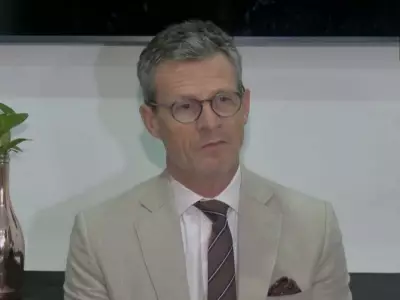
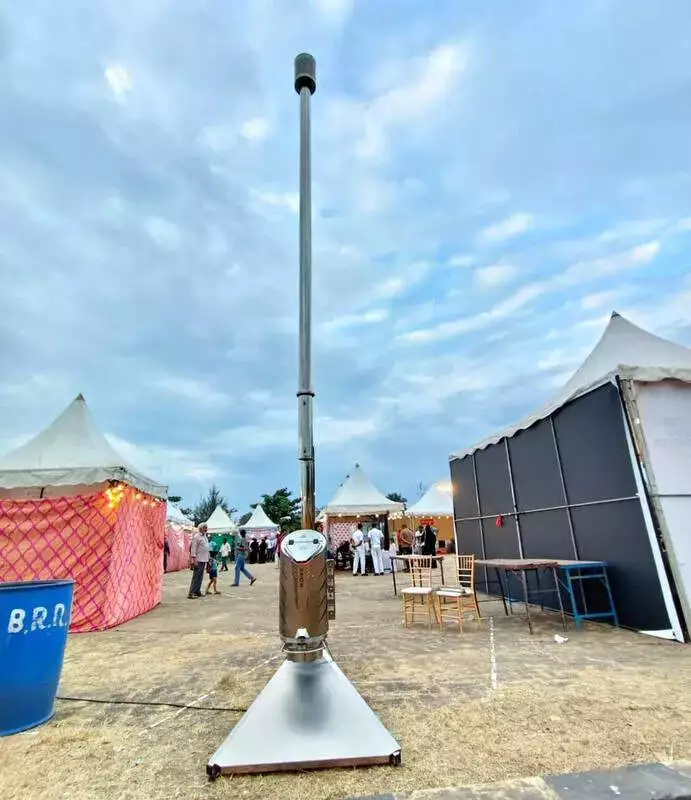
According to Vishwas US, founder-director of Section Infin-8 (SI-8) Foundation, the festival featured Neo San's Neo-X system—a compact, electric, decentralized incineration unit specifically deployed for the event. Through collaboration with Mangaluru-based startup Prithvi Mitr, which served as the festival's hygiene and waste management partner, approximately 70 kilograms of reject waste was processed on-site.
The treated materials included:

- Sanitary waste products
- Contaminated plastics unsuitable for recycling
- Various other non-recyclable materials
Environmental Impact and Operational Efficiency
This innovative approach prevented an estimated 150 kilograms of carbon dioxide emissions, equivalent to burning about 80 kilograms of coal. Vishwas emphasized that sustainability was achieved without depending on distant landfills or downstream solutions that often remain invisible to the public.
"Prithvi Mitr played a critical on-ground role by ensuring proper segregation, collection, and operational coordination," Vishwas noted, adding that SI-8 facilitated the collaboration between Neo San and Prithvi Mitr.
The Neo-X system operates at temperatures reaching up to 1,200°C, achieving complete combustion in under sixty seconds. Remarkably, it consumes just 0.2 units of electricity per kilogram of waste processed, translating to an energy cost of less than one rupee per kilogram.
Safety and Future Applications
Independent emissions testing confirmed that pollutant levels remained well below established regulatory limits, making the system safe for deployment in dense public spaces such as beaches and promenades. This validation opens possibilities for broader applications in various public gatherings.
Vishwas explained the multiple benefits: "With this approach, sanitary waste did not enter unsafe handling chains, plastics were destroyed before breaking down into microplastics, and transportation-related emissions and logistical failures were eliminated."
Regarding the pilot's temporary nature, he added: "We had to start somewhere, so we rented an incinerator for the festival. The aim was to create awareness that such systems are available." The startup is now considering offering the incinerator on a rental basis for future events, potentially making sustainable waste management more accessible to event organizers.
This successful demonstration at the Mangaluru Beach Festival highlights how localized, technologically advanced solutions can transform waste management practices for public events, moving toward truly sustainable and zero-waste gatherings.