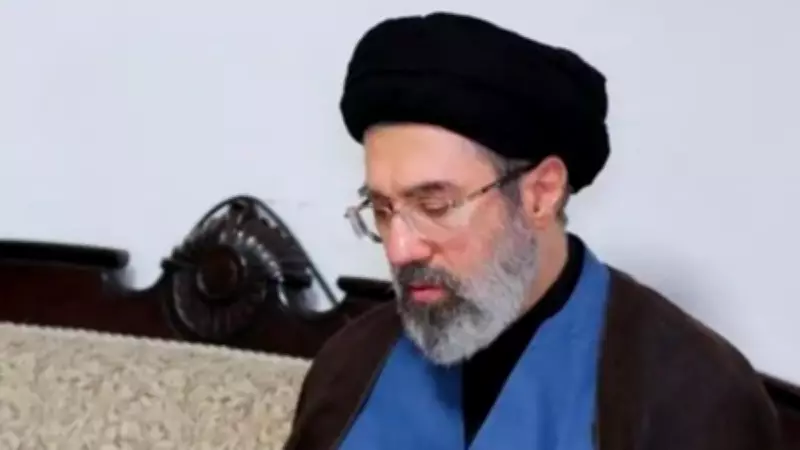
Mojtaba Khamenei Appointed as Iran's Next Supreme Leader
In a landmark decision that is set to reshape the future of Iran, Mojtaba Khamenei, the son of the current Supreme Leader Ayatollah Ali Khamenei, has been officially named as his successor. This announcement, made on March 4, 2026, marks a pivotal moment in the nation's political and religious landscape, confirming long-standing speculations about the leadership transition.
Background and Significance of the Appointment
The role of Supreme Leader in Iran is one of immense power, combining both political and religious authority. Ayatollah Ali Khamenei, who has held this position since 1989, is now in his late 80s, leading to widespread anticipation regarding his successor. Mojtaba Khamenei, often referred to as Hojjatoleslam Mojtaba Khamenei, has been a prominent figure within Iran's clerical and political circles for years.
His appointment is seen as a move to ensure continuity and stability in Iran's governance. As the son of the current leader, Mojtaba brings a deep understanding of the regime's ideologies and policies. This decision underscores the importance of familial and ideological alignment in maintaining the Islamic Republic's core principles.

Mojtaba Khamenei's Profile and Influence
Mojtaba Khamenei, born in 1969, has been actively involved in Iran's religious and political affairs. He is known for his close ties to the Islamic Revolutionary Guard Corps (IRGC) and has played a significant role in various state institutions. His influence extends beyond mere familial connections, as he has been involved in key decision-making processes and has advocated for conservative policies.
Key aspects of his profile include:
- Educational Background: He studied in Qom, Iran's center of Shia scholarship, and has been involved in religious teachings.
- Political Involvement: Mojtaba has been a key advisor to his father and has been instrumental in shaping Iran's domestic and foreign policies.
- Public Perception: While respected within conservative circles, his appointment may spark debates about nepotism and the concentration of power.
Implications for Iran and the International Community
The designation of Mojtaba Khamenei as the next Supreme Leader has far-reaching implications. Domestically, it signals a reinforcement of conservative ideologies, potentially impacting social policies, economic strategies, and Iran's stance on regional conflicts. Internationally, this move could influence Iran's relations with other countries, particularly in the context of nuclear negotiations and Middle Eastern geopolitics.
Potential outcomes include:
- Continuation of current foreign policies, including support for allied groups in the region.
- Possible internal challenges from reformist factions questioning the succession process.
- Increased scrutiny from global powers regarding Iran's leadership dynamics.
Reactions and Future Prospects
Initial reactions to the announcement have been mixed. Supporters view it as a necessary step to preserve Iran's Islamic values and stability, while critics express concerns about democratic processes and power consolidation. The official transition is expected to occur upon the current Supreme Leader's passing or retirement, with Mojtaba poised to take over seamlessly.
As Iran navigates this critical juncture, the world watches closely. The succession of Mojtaba Khamenei is not just a change in leadership but a defining moment that will shape Iran's trajectory for decades to come, influencing everything from internal governance to its role on the global stage.