NBWL Committee Greenlights Irrigation Project in Durgavati Tiger Reserve
Three years after its notification to offset deforestation from the Panna region, the standing committee of the National Board for Wildlife (SC-NBWL) has approved the diversion of approximately 272 hectares of forest land for the Kopra medium irrigation project. This development is situated within the core area of the Veerangana Durgavati Tiger Reserve in Madhya Pradesh, a reserve established in 2023 to compensate for habitat loss due to the Ken Betwa river-linking initiative.
Project Details and Environmental Implications
The project involves constructing irrigation reservoirs along the Byarma and Kopra Rivers, which are tributaries of the Sonar River, contributing to the local wetland and riparian ecosystems. It aims to provide irrigation for domestic use and support Rabi crops across 9,900 hectares in Sagar district, with 13 villages expected to be submerged. In compensation, 310 hectares of revenue land within the tiger reserve will be designated for afforestation efforts.
Forest officials, including Subharanjan Sen, Principal Chief Conservator of Forests (Wildlife) in Madhya Pradesh, have highlighted potential benefits. They note that the project will partially submerge forests along the reserve's boundary, creating a natural barrier to reduce grazing pressure from border villages. This barrier, extending approximately 10 kilometers, is expected to mitigate human-wildlife conflicts and prevent crop damage by animals.

Wildlife Concerns and Conservation Measures
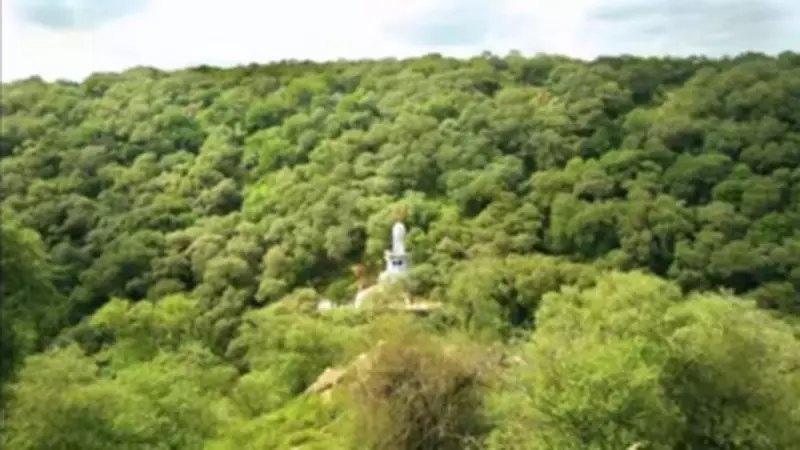
The Veerangana Durgavati Tiger Reserve, spanning 2,339.12 square kilometers and carved out of the Nauradehi wildlife sanctuary, is home to diverse species such as tigers, leopards, hyenas, sambar, and sloth bears. The National Tiger Conservation Authority (NTCA) has expressed concerns that the proposed development could affect tiger movements and dispersal patterns within the landscape.
Approval for the project was granted during the SC-NBWL's meeting on January 19, following a site inspection conducted in September by representatives from the NTCA, Madhya Pradesh Forest Department, Wildlife Institute of India, and other agencies. The committee has mandated that the Madhya Pradesh Water Resources Division ensure no damage to forests, wildlife, or their habitats during implementation.
Historical Context and Broader Impact
This approval comes in the wake of the Ken-Betwa river-linking project, which in 2016 raised alarms over the loss of more than 100 square kilometers of tiger habitat due to forest diversion and submergence. In response, the NTCA recommended integrating several wildlife sanctuaries, leading to the notification of the Durgavati and Ranipur tiger reserves in 2023 and 2022, respectively, to bolster conservation efforts.
The irrigation project will submerge a total of 1,044.52 hectares, comprising 716.62 hectares of private land, 59.90 hectares of government land, and the 272 hectares of forest land. While it poses challenges for wildlife, officials argue that the reservoir's creation may enhance the habitat by providing water sources and reducing anthropogenic pressures, aligning with sustainable development goals in the region.